
-
Category 2
Selected in 2024
-
Grades: pre k - 5
School Setting: rural
Town Population: 45,742
Student Enrollment: 370
Student Demographics:
Black/African American: 19%
Teacher/Student Ratio: 1:13.7
White/Caucasian: 55.6%
Hispanic: 11.8%
Hawaiian/Pacific Islander: 0.6%
Asian: 3.6%
Native American: 2.2%
Other: 6.9%
% Reduced Lunch: 53.4%
% ELL Learners: 8%
Founded: 1966 -
PRINCIPAL:
Stephen Rustad -
CONTACT:
2600 E Main Street
Mankato, MN 56001
507-387-2122
SRusta1@isd77.org
Kennedy Elementary School
Mankato, MN


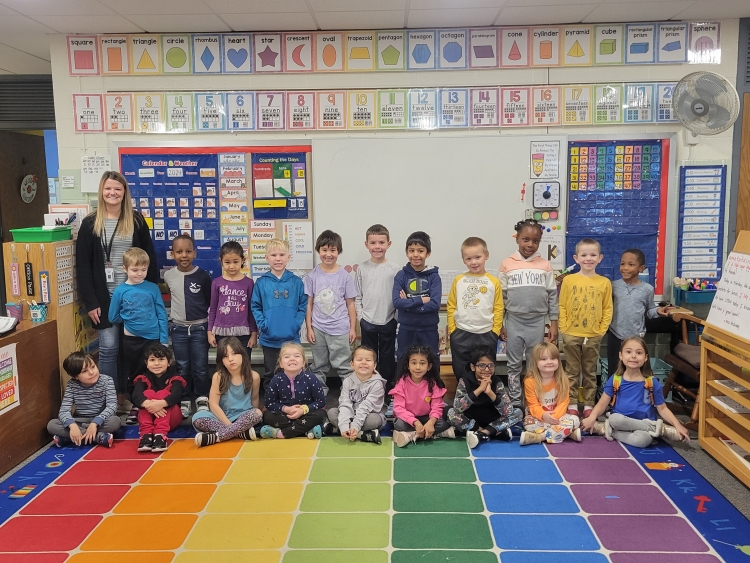
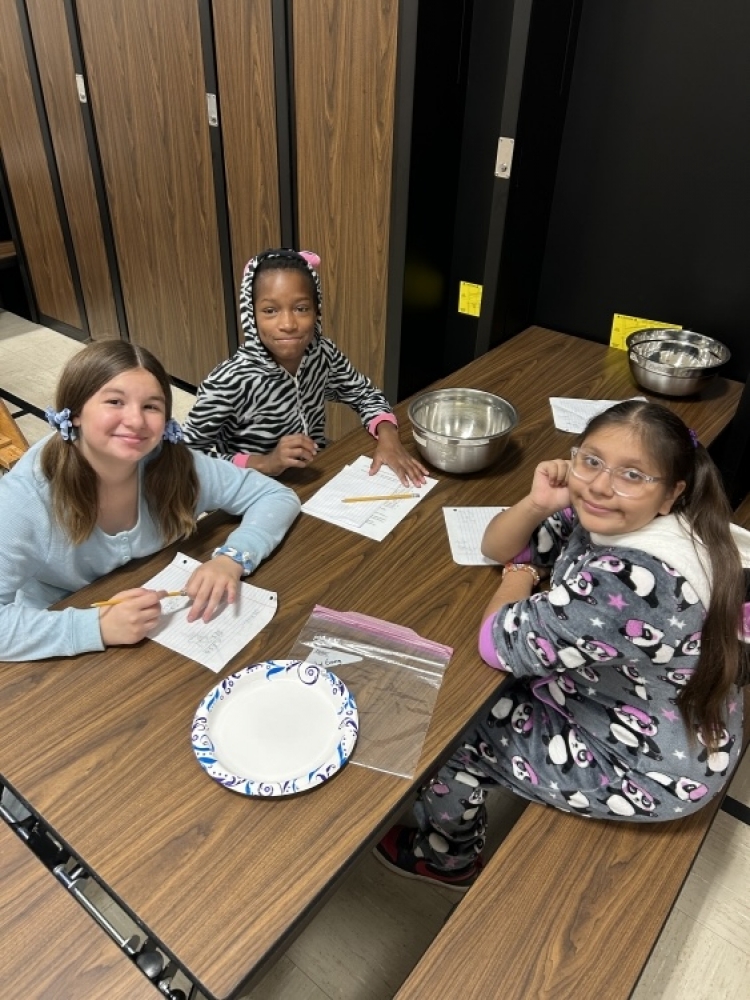
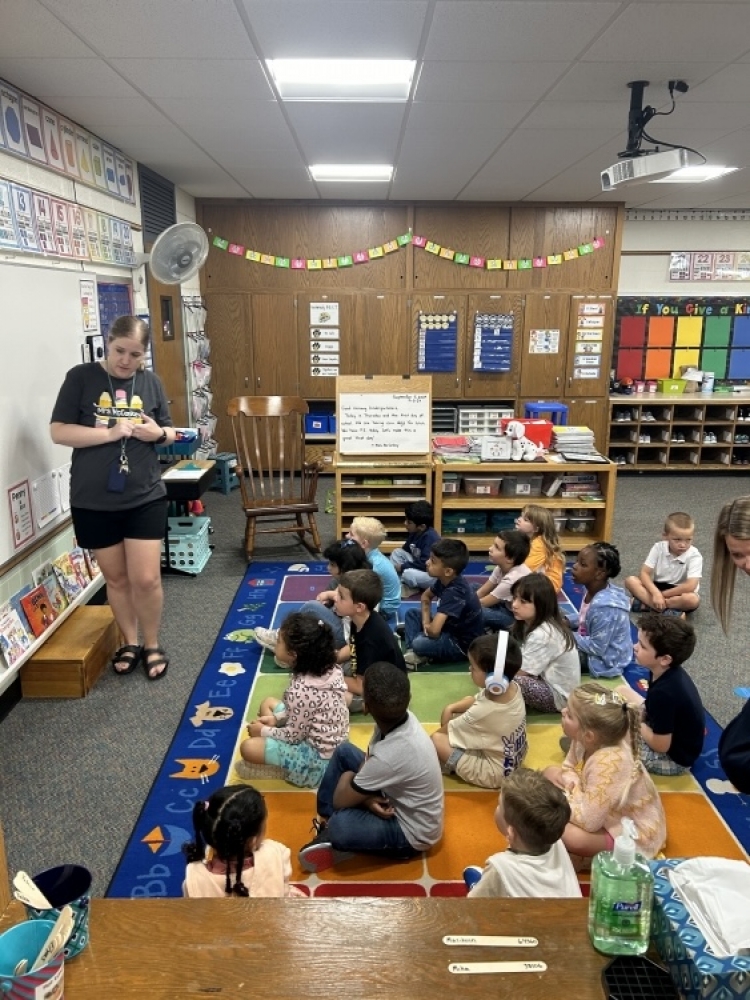
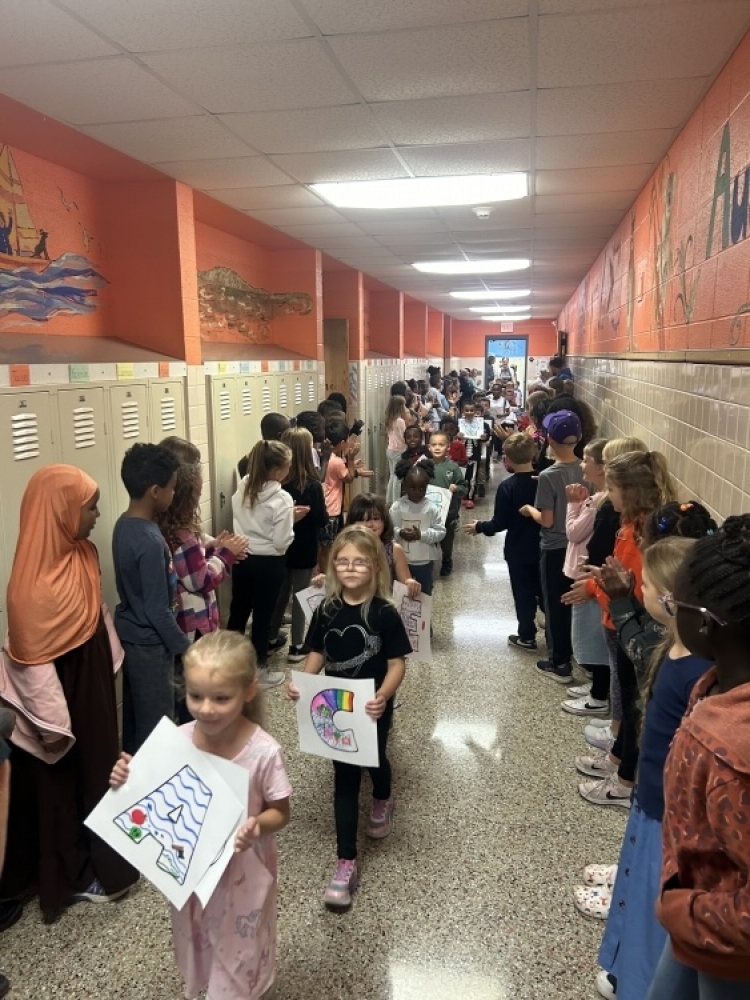
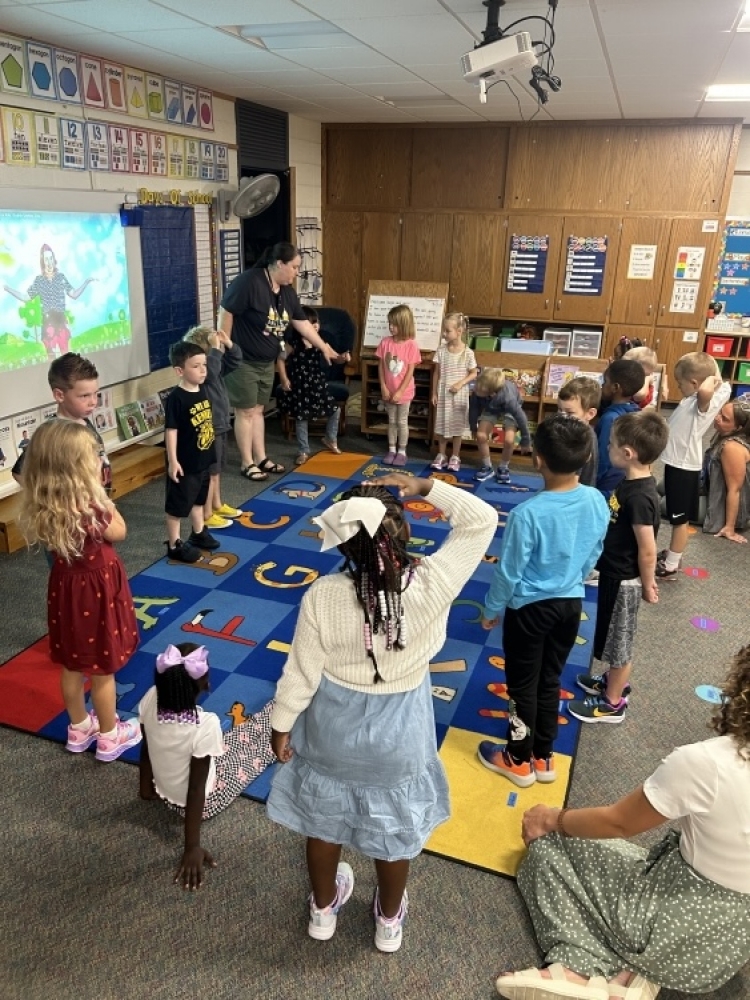
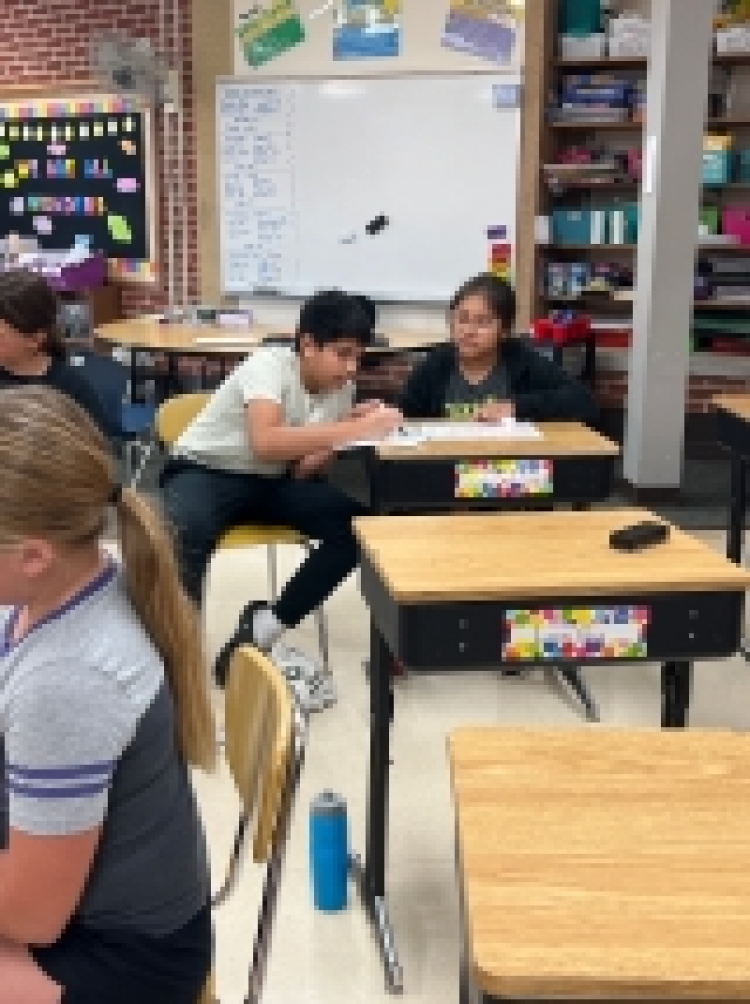
"Community involvement is a cornerstone of Kennedy Elementary’s success, fostering stronger relationships between families, students, and staff."
- 1. Tell us about your school’s success.
-
Kennedy Elementary School in Mankato, Minnesota, has seen remarkable improvements in its academic performance and community engagement, establishing itself as a success story in the region. Kennedy is a diverse school by race and socioeconomics. In 2024, 55% of students at Kennedy identified as white while 45% of students identified as students of color. During the same year, 53.4% of students identified as living in poverty by qualifying for free/reduced price meals, 23% received special education services, and 8% identified as multilingual learners. At Kennedy, our diversity is seen as a strength and area of pride. We strongly believe that each and every student that comes to Kennedy will reach their full academic potential.
According to 2024 Minnesota Comprehensive Assessments (MCA) data, Kennedy significantly outperformed state averages in both math and reading. For example, 76.7% of its students achieved proficiency in math, compared to the Minnesota average of 45%. Similarly, reading proficiency rates have also outpaced the state average with 60.6% of students at Kennedy having achieved proficiency compared to the Minnesota average of 50%. Proficiency in both math and reading have shown consistent growth over recent years. Kennedy students have shown 20% improvement in math and 15% improvement in reading since 2021.
This improvement has been especially pronounced for certain demographic groups. For instance, in the area of math, white students at Kennedy have seen their statewide percentile ranking rise from 68.6% in 2021 to an impressive 90.2% in 2024. Black and African American students have shown steady increase over the same time frame as well improving from 45% proficient in 2021 to 54.5% proficient in 2024. In the area of reading, white students at Kennedy have seen their statewide percentile ranking rise from 55.2% in 2021 to 74.4% in 2024. Black and African American students have shown steady increase over the same time frame as well improving from 31.3% proficient in 2022 to 42.4% proficient in 2024.
The data for students in poverty at Kennedy has also seen significant improvement over the past 4 years. This demographic group is known as Free/Reduced Priced (FRP) Meals in Minnesota. In the area of math, FRP students at Kennedy have seen their statewide percentile ranking rise from 42.3%% in 2021 to 66.3% in 2024. Statewide, proficiency for FRP students in math was 27% in 2024. In the area of reading, FRP students at Kennedy have seen their statewide percentile ranking rise from 29.2% in 2021 to 47.1% in 2024. Statewide, proficiency for FRP students in reading was 33.4% in 2024. Students in poverty at Kennedy are significantly out performing their peers throughout the state of Minnesota.
The school’s academic success is attributed to its commitment to fostering an inclusive and supportive learning environment that ensures that all students get rigorous core instruction that is rooted in graded level standards. Teachers engage in professional learning communities weekly, tracking and responding to formative data then create for small group instruction, intervention, and What I Need (WIN) time that directly meet student needs in math and reading. Kennedy’s diverse student body benefits from this strong level of teacher collaboration, commitment, oversight, and responsiveness.
Beyond academics, Kennedy has received praise for its vibrant community culture. Parents and local stakeholders often highlight the school’s effective communication and prioritization of student well-being. This sentiment is echoed on social media and public reviews, where the school consistently earns high marks for teacher dedication and a safe, engaging atmosphere for students. The school's recent focus on community outreach has amplified its visibility. Initiatives such as family engagement nights and partnerships with local organizations have bolstered trust and collaboration between the school and the wider community. This dynamic has been reflected in increased participation at school events and a growing sense of pride among students and families.
In summary, Kennedy Elementary School’s improvements in MCA scores, enhanced community relationships, and strong engagement strategies showcase its commitment to excellence. These achievements not only highlight the success of Kennedy but also serve as an inspiration for other schools in the district.
- 2. Talk about the greatest contributing factor(s) that promoted positive change in your school.
-
At Kennedy Elementary, significant strides have been made toward improving student outcomes, particularly among Black and African American students. This progress is a result of deliberate and collaborative efforts rooted in professional learning communities (PLCs), data-driven instruction, targeted interventions, and the dedication of staff to fostering equitable opportunities. These approaches have begun to narrow achievement gaps and increase proficiency, demonstrating that a collective commitment to equity and excellence can drive meaningful change.
Professional Learning Communities: A Culture of Collaboration
Teachers at Kennedy Elementary regularly engage in PLCs to enhance instructional practices and address student needs. These meetings serve as a platform for teachers to analyze formative data in math and reading, discuss trends, and identify strategies to support all learners. By fostering an environment of shared accountability, PLCs enable educators to work together effectively to close achievement gaps.
Within these communities, educators focus on vertical alignment, ensuring consistent language and practices across grade levels. Vertical conversations during early release days allow K-2 teachers to establish common language and purposeful explorations in math, while grades 3-5 prioritize spiraling concepts and improving retention. This alignment reduces discrepancies in instruction and promotes continuity, particularly benefiting Black students who often receive multiple services.
Responding to Formative Data: A Strategic Approach
Kennedy’s success is rooted in its ability to use formative data as a guiding tool for instruction. Teachers frequently assess student performance in math and reading, analyzing results to identify gaps and implement targeted interventions.
For example, K-2 teachers focus on understanding number sense through exploration and games, using formative assessments to track student progress and adjust their methods. In grades 3-5, educators address vocabulary gaps and build content knowledge through standards-based reading practices, small-group phonics instruction, and expanded vocabulary activities. These efforts ensure instruction is tailored to meet the diverse needs of Black students while fostering growth and engagement.
Progress Monitoring and Data Tracking: Ensuring Accountability
Kennedy’s dedication to progress monitoring and tracking data has been critical in addressing disparities. Teachers systematically analyze data to understand student growth, identifying barriers such as fact fluency, retention, and background knowledge in math.
In reading, 3rd through 5th grade teachers utilize tools like spelling screeners and word study data to inform small-group instruction. This focus has yielded measurable outcomes, such as reducing the overall gap between Black and white students in MCA reading and math scores. For example, in 4th grade math, the gap between Black and white students decreased from 37.8% in 2023 to 18.2% in 2024, reflecting the impact of data-driven strategies.
Collaboration with Specialists and Tutors: Layered Support Systems
Collaboration extends beyond grade-level teams to include intervention reading teachers, special education staff, and external tutors through Reading Corps and Math Corps. These partnerships ensure that students, particularly Black learners, receive comprehensive, targeted support.
Intervention reading teachers work closely with classroom educators to develop strategies tailored to student needs, focusing on phonics and comprehension skills. Meanwhile, Math Corps tutors provide small-group or one-on-one instruction, reinforcing foundational concepts like number sense and operations. These supports are vital for addressing the achievement gap, particularly in K-2 math, where gaps in purposeful exploration and small-group fidelity remain a barrier.
Overcoming Barriers Through Collective Action
Despite progress, challenges persist. In K-2 math, a lack of systems for exploration, accountability in small groups, and common language have contributed to a 37% achievement gap between Black and white students performing at grade level. In grades 3-5, limited resources and time remain obstacles to closing a 15% gap in MCA reading scores.
Kennedy’s approach to overcoming these barriers is grounded in its theory of change, which prioritizes expanding vocabulary, establishing consistent language, and spiraling concepts. Teachers implement adult actions like digging deeper into standards, creating rigorous lessons, and using productive struggle to build resilience in students.
Evidence of Success and Goals for the Future
Kennedy’s efforts have begun to yield promising results. Between 2023 and 2024, the math proficiency gap between Black and white students decreased in several grades, including a dramatic improvement in 4th-grade math from a 37.8% gap to 18.2%. Additionally, the school is on track to meet its goal of eliminating 10% of disproportionality each year by 2025.
Moving forward, the school aims to achieve ambitious new goals: In K-2 math, increasing the percentage of Black students scoring in the 60th percentile or above by 50%. In 3-5 reading, raising Black student proficiency on the MCA to 50%, with a long-term goal of 60% proficiency at each grade level.
Conclusion
The positive changes at Kennedy Elementary are a testament to the power of collaboration, intentionality, and equity-driven practices. Through PLCs, data-informed instruction, layered interventions, and continuous progress monitoring, the school has made measurable strides in narrowing achievement gaps for Black and African American students. While challenges remain, Kennedy’s unwavering commitment to excellence ensures that every student has the opportunity to succeed. By continuing to address barriers, align practices, and uphold high expectations, Kennedy Elementary is creating a future where all students can thrive.
- 3. How has ESEA funding supported the school's success?
-
At Kennedy Elementary, ESEA funding has been a transformative force in our mission to provide equitable, high-quality education for all students. This funding has empowered us to tackle disparities, implement impactful programs, and create a supportive learning environment that meets the needs of every child.
The impact of ESEA funding is most evident in our work to close achievement gaps. Through targeted initiatives like small-group instruction and after-school tutoring programs, we’ve helped students build confidence and foundational skills in reading and math. Learning materials tailored to our diverse student population have further supported this growth, with steady improvements in performance, especially among students from economically disadvantaged backgrounds.
For our English Language Learners, ESEA funding has been vital. With specialized instructors, dual-language resources, and family workshops, we’ve ensured that these students not only succeed academically but also feel valued in our community. These resources have bridged linguistic and cultural gaps, creating a more inclusive environment.
Our teachers, too, have benefited tremendously. Professional development workshops, mentoring programs for new educators, and certifications in high-need areas like special education and STEM have enhanced teaching practices across the board. These investments have fostered a culture of dynamic, inclusive, and effective instruction.
ESEA funding has also enabled us to introduce innovative instructional programs that inspire curiosity and critical thinking. From a thriving STEM club to project-based learning and enhanced reading interventions, we’ve seen students engage deeply with their education while developing skills that prepare them for future success.
Equally important is the strengthened bond between our school and the community. Family Literacy Nights, parent education programs, and the creation of a community liaison position have fostered meaningful connections with families. These efforts have created a collaborative environment where parents, teachers, and staff work together to support student growth.
Recognizing that every student has unique needs, we’ve used ESEA funding to expand access to adaptive technologies for students with disabilities, provide essential supplies and transportation for homeless and migrant students, and hire counselors to support emotional well-being. These initiatives have broken down barriers, creating a more inclusive and nurturing school environment.
Finally, the accountability framework tied to ESEA funding ensures that every dollar benefits our students. By regularly analyzing performance data, sharing progress with families, and allocating resources strategically, we’ve maintained a clear focus on positive outcomes. The results are undeniable: improved test scores, empowered educators, and stronger community bonds.
ESEA funding has been more than financial support—it has been the lifeline that enables Kennedy Elementary to fulfill its mission. Through these resources, we’ve addressed disparities, empowered educators, and fostered innovation, building a brighter future for every Kennedy student. We are deeply grateful for the opportunities this funding provides and remain committed to making a lasting impact.
- 4. What professional development activities were used to improve teaching and learning?
-
Kennedy Elementary School has embraced a comprehensive approach to professional development, designed to elevate teaching practices and improve outcomes for all students, with a particular focus on Black and African American students. At the heart of these efforts is a commitment to collaboration, data-driven strategies, and evidence-based training programs, ensuring that every child receives high-quality, impactful instruction.
A cornerstone of this approach is the work of the building leadership team, which functions as a school-wide Professional Learning Community (PLC). This team brings together teachers, instructional leaders, and specialists to foster a culture of shared accountability and collaboration. Teachers across grade levels meet regularly to analyze formative data, identifying trends, gaps, and successes. For grades 3-5, PLCs focus on math data, disaggregating results to assess how well Black and African American students are progressing compared to their peers. These discussions drive targeted interventions and refined instructional practices. Similarly, K-2 PLCs focus on reading data, tracking progress for all students while prioritizing support for those most in need.
These conversations extend beyond individual grade levels through vertical alignment meetings that include educators from K-5, alongside the principal, instructional coach, special education teacher, and intervention teacher. Together, they discuss approaches to standards, share effective strategies, and ensure continuity in instruction. This alignment creates a cohesive learning trajectory that benefits all students, ensuring that each year builds upon the last.
Kennedy’s professional development initiatives also prioritize equipping teachers with the tools and knowledge to deliver research-based instruction. K-3 teachers have received training in Bridge2Read, a program that emphasizes phonemic awareness, phonics, and fluency to build foundational literacy skills. This daily program ensures consistency and quality in early literacy instruction, providing critical support for students at risk of falling behind.
In addition, many of Kennedy’s educators have undergone LETRS (Language Essentials for Teachers of Reading and Spelling) training, which aligns with the Science of Reading. This training focuses on developing phonological awareness, word recognition, vocabulary, and reading comprehension skills. LETRS equips teachers, intervention specialists, and special education staff with advanced strategies to support struggling readers and address specific learning needs, particularly among Black and African American students.
Recognizing that language development and background knowledge are essential for closing achievement gaps, Kennedy Elementary has also embedded science and social studies standards into reading instruction. This interdisciplinary approach expands students’ vocabulary and builds the foundational knowledge necessary for strong reading comprehension. By integrating these subjects, teachers not only deepen students’ understanding of the world but also ensure that literacy instruction is meaningful and relevant.
The impact of these efforts is clear. Kennedy’s teachers have enhanced their ability to analyze data and adjust instruction in real-time, improving outcomes for all students. Research-based literacy programs have strengthened foundational skills, while vertical alignment and collaboration have ensured that instructional practices are equitable and cohesive. By investing in professional development that prioritizes equity, evidence-based practices, and continuous improvement, Kennedy Elementary has created a strong foundation for academic success and a brighter future for its students. - 5. Talk about the cultural shift leading up to your school's success.
-
The cultural transformation that propelled Kennedy Elementary toward success can be attributed to our intentional adoption and rigorous application of the Equity-Oriented Strategic Plan (EOSP). This framework allowed us to address long-standing inequities systematically and collaboratively, ensuring that all students had access to the resources and support they needed to thrive.
Anchoring Change in Equity
The EOSP became a cornerstone for our school’s vision, compelling us to confront disparities and set ambitious yet attainable goals. By requiring the development of inequity and goal statements, identification of barriers, and hypotheses for addressing gaps, the EOSP instilled a structure that encouraged intentionality and accountability. This foundation not only guided our actions but also united staff under a shared purpose: equity for all students.
Leadership Driving Transformation
A critical component of this cultural shift has been the Kennedy Leadership Team (KLT). The KLT adopted the EOSP as its guiding framework and shifted its focus entirely to academic growth, particularly for Black and African American students. Previously, the team devoted its time to managerial and behavioral issues, which yielded little academic improvement. By reorienting to academics, the KLT has driven significant progress.
The team meets monthly and breaks into two groups: K-2 representatives and 3rd-5th grade representatives. These groups engage in vertical conversations to ensure alignment across grade levels and focus on rigorous, standard-driven instruction aimed at closing achievement gaps. They also discuss targeted responses to student needs, including intervention strategies and gifted and talented resources.
K-2 teachers specifically track the formative assessment data of their Black and African American students in reading, comparing their growth to the whole group. Similarly, 3rd-5th grade teachers focus on math formative assessments, monitoring growth and ensuring targeted support for these students. This systematic approach enables us to closely monitor progress and address inequities in real time.
Prioritizing the Achievement Gap
One of the most pivotal shifts was our decision to prioritize addressing the achievement gap for Black students, the second-largest student demographic at Kennedy. This focus was guided by a stark inequity statement revealing a persistent gap between Black and White students in literacy and math benchmarks, including a 35.7% gap in MCA math proficiency in 2024. Our goal was clear: close these gaps to improve outcomes for all students.
Understanding Barriers
We identified critical barriers contributing to disparities. These included inconsistent instructional fidelity, limited use of culturally relevant materials, and systemic reliance on intervention services to fill gaps. For math, issues like limited exploration time, insufficient common language across grade levels, and lack of spiraling math concepts were pinpointed. These insights were crucial in shaping our strategies.
Crafting Theories of Change
Our theories of change emphasized that addressing specific issues—such as variability in teaching practices and limited retention of foundational skills—would close achievement gaps. For example, we hypothesized that expanding vocabulary and focusing on content knowledge in reading would elevate proficiency rates for Black students. Similarly, in math, purposeful exploration, consistent language, and better spiraling practices were seen as solutions to inequities.
Driving Change Through Adult Actions
Our adult actions aligned closely with our hypotheses. For reading, we adopted targeted interventions like PRESS and Bridge2Read to build phonics skills, while vertical alignment in scope and sequence ensured consistency across grades. In math, strategies included introducing purposeful explorations, strengthening number sense, and implementing a spiraling curriculum. Moreover, the inclusion of student voice in creating classroom norms and addressing teacher biases enhanced engagement and equity.
Measurable Successes
The EOSP’s structured approach and the leadership of the KLT have yielded measurable improvements. For instance:
Kindergarten literacy saw a rise from 40% to 76% of students meeting or exceeding benchmarks, with 66% of Black students achieving this milestone.
Third-grade math gaps narrowed significantly, with Black students improving to a 48% benchmark proficiency (+19%) and the gap reducing to 13%.
Social-emotional learning outcomes, measured through Panorama data, showed a significant reduction in perception gaps between Black and White students, decreasing from 28.6% to 10.4%.
A Culture of High Expectations
This transformation was not solely about data but about fostering a culture of high expectations, collaboration, and shared accountability. Teachers embraced professional development, implemented growth mindsets, and relied on data-driven decisions to refine practices. Most importantly, every initiative was student-centered, reflecting our commitment to Kennedy BEST values: Be Safe, Engage, Show Empathy, and Together we are Kennedy.
The Kennedy Leadership Team’s pivot to academic-focused leadership has been instrumental in driving these achievements. By dedicating all its time and energy to monitoring and enhancing the academic growth of Black and African American students, the KLT exemplifies how purposeful leadership can create lasting impact for all students.
- 6. How has community involvement strengthened your success?
-
Community involvement has been a cornerstone of Kennedy Elementary’s success, fostering stronger relationships between families, students, and staff. By engaging our community through intentional initiatives, we’ve built a foundation of trust and collaboration that directly supports student achievement and well-being.
Strengthening Partnerships Through Entrance Conferences
A key initiative in our community involvement is the entrance conference, where parents, students, and teachers come together at the start of the school year to establish shared goals and expectations. During these meetings, all parties sign the Title I agreement, symbolizing a unified commitment to student success. These conferences set the tone for the year, ensuring parents feel welcomed as active partners in their child’s education. Additionally, we follow up with parent-teacher conferences in November and March to discuss academic gains and progress toward grade-level standards. This ongoing engagement keeps parents informed about their child’s progress and reinforces the partnership between home and school.
Ongoing Communication via the Remind App
To maintain consistent and accessible communication, Kennedy Elementary invests in the Remind App, a platform used to engage parents regularly. This tool enables teachers to share updates, reminders, and celebrations in real time, helping families stay informed and connected. By reducing communication barriers, the app strengthens relationships between home and school, ensuring parents feel involved in their child’s educational journey.
Engaging Families Through Literacy and Math Nights
Family Literacy Nights and Family Math Nights have been transformational in promoting learning beyond the classroom. These events create opportunities for parents and children to engage in activities that reinforce key academic skills while fostering a love for reading and problem-solving. With hands-on experiences and practical strategies, families are equipped to support learning at home, which has a direct impact on student outcomes. These evenings also provide an inviting space for parents to ask questions and strengthen their confidence in supporting their child’s education.
Providing Access to Books Through the RIF Program
Kennedy Elementary is committed to cultivating a love of reading, and one way we accomplish this is by providing students with free books through the Reading is Fundamental (RIF) program. Throughout the year, students have the opportunity to choose books to take home, ensuring they have access to reading materials outside of school. This initiative not only fosters a culture of literacy but also helps bridge the gap for students who may have limited access to books at home.
Building Connections Through Parent-Teacher Organization Events
Our monthly Parent-Teacher Organization (PTO) events are designed to provide families with positive experiences that go beyond academics. From community dinners to cultural celebrations, these gatherings offer opportunities for families to connect with one another and with school staff in a relaxed, welcoming environment. By addressing basic needs, such as providing food, these events ensure inclusivity and encourage participation from all families, strengthening the sense of community within the school.
Supporting Multilingual Learner Families
Kennedy Elementary prioritizes the needs of our multilingual learner (MLL) families through intentional programming and support. Parent Circle meetings create safe spaces for MLL families to voice their concerns, share ideas, and engage with school staff. District liaisons further bridge the gap by providing resources and language support, ensuring that MLL families feel empowered and included. These efforts foster trust and open communication, enabling families to play an active role in their child’s education.
The Power of Community Collaboration
Each of these initiatives contributes to a culture where families feel valued as essential partners in their child’s success. By creating spaces for collaboration, consistent communication, and culturally responsive support, Kennedy Elementary has strengthened the connection between school and home. This partnership has not only increased parent engagement but has also enhanced student outcomes by ensuring families and staff work together to meet the needs of every child.
In summary, the success of Kennedy Elementary is rooted in the strength of our community. Through entrance conferences and follow-up meetings, tools like the Remind App, family-focused events, the RIF program, and dedicated support for MLL families, we’ve fostered a culture of collaboration and trust. These efforts ensure that every student benefits from the collective commitment of their family, school, and community.
Stats
-
Category 2
Selected in 2024
-
Grades: pre k - 5
School Setting: rural
Town Population: 45,742
Student Enrollment: 370
Student Demographics:
Black/African American: 19%
Teacher/Student Ratio: 1:13.7
White/Caucasian: 55.6%
Hispanic: 11.8%
Hawaiian/Pacific Islander: 0.6%
Asian: 3.6%
Native American: 2.2%
Other: 6.9%
% Reduced Lunch: 53.4%
% ELL Learners: 8%
Founded: 1966 -
PRINCIPAL:
Stephen Rustad -
CONTACT:
2600 E Main Street
Mankato, MN 56001
507-387-2122
SRusta1@isd77.org
ESEA Network
The National Association of ESEA State Program Administrators is dedicated to building the capacity of education professionals to provide disadvantaged children with a high quality education. Their ESEA Network website provides a host of resources to educators at all levels.
Connect With Us
 |
 |
 |
 |
Contact Us
admin@eseanetwork.org | 800-256-6452
532 North Franklin Street | Fort Bragg, CA 95437
About Us
The National Association of ESEA State Program Administrators (formerly the National Title I Association) is dedicated to building the capacity of education professionals to provide disadvantaged children with a high quality education. Their ESEA Network website provides a host of resources to educators at all levels.
Connect with Us
|
|
|
|