
-
Category 3
Selected in 2024
-
Grades: pre k - 4
School Setting: rural
Town Population: 12,365
Student Enrollment: 762
Student Demographics:
Black/African American: 1.4%
Teacher/Student Ratio: 1:14
White/Caucasian: 83%
Hispanic: 9%
Hawaiian/Pacific Islander: 0%
Asian: 0.4%
Native American: 0%
Other: 6.2%
% Reduced Lunch: 76.4%
% ELL Learners: 7%
Founded: 1956 -
PRINCIPAL:
Hubert Schroer -
CONTACT:
210 May St
Somerset, KY 42501
606-678-8707
hubert.schroer@somerset.kyschools.us
Hopkins Elementary School
Somerset, KY


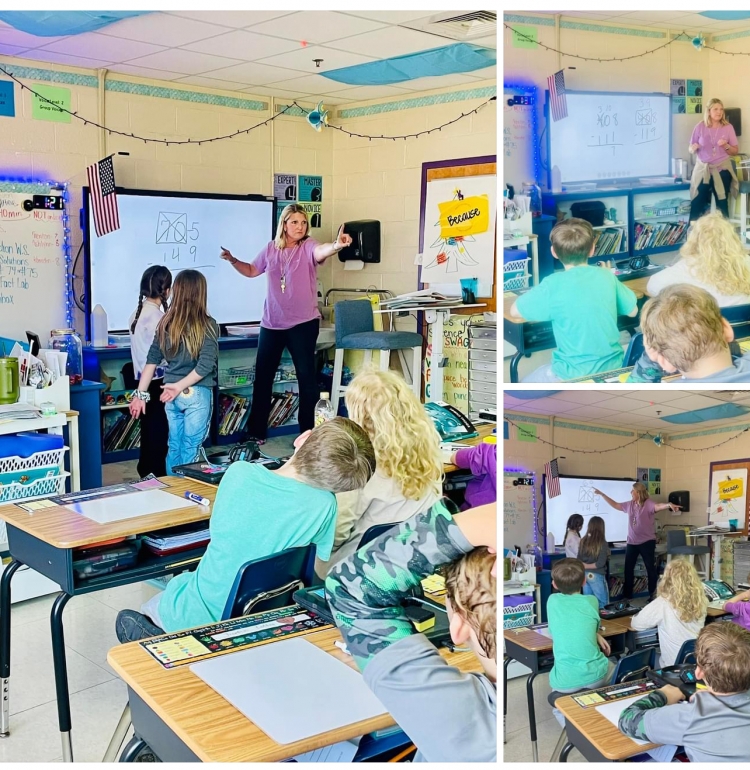
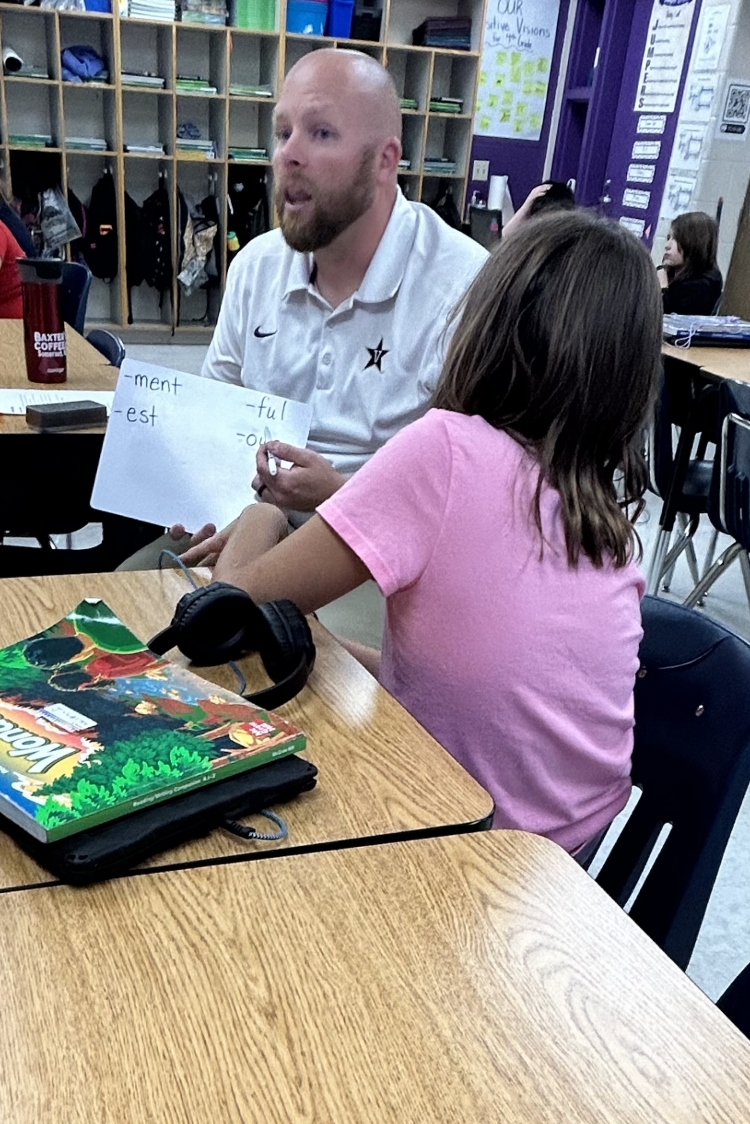
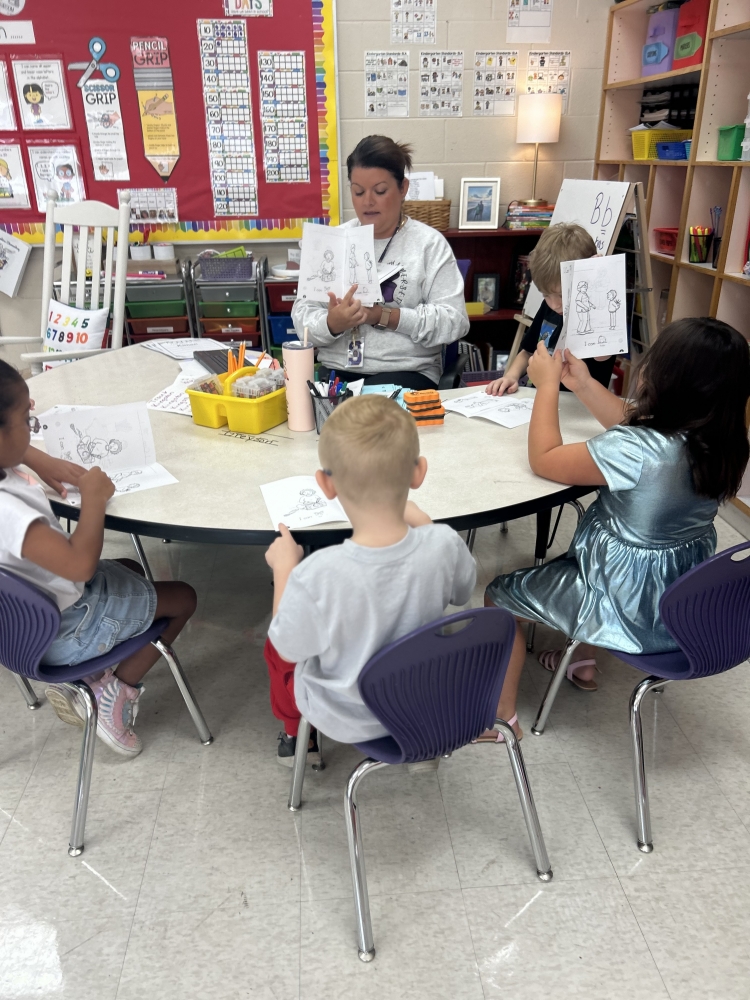
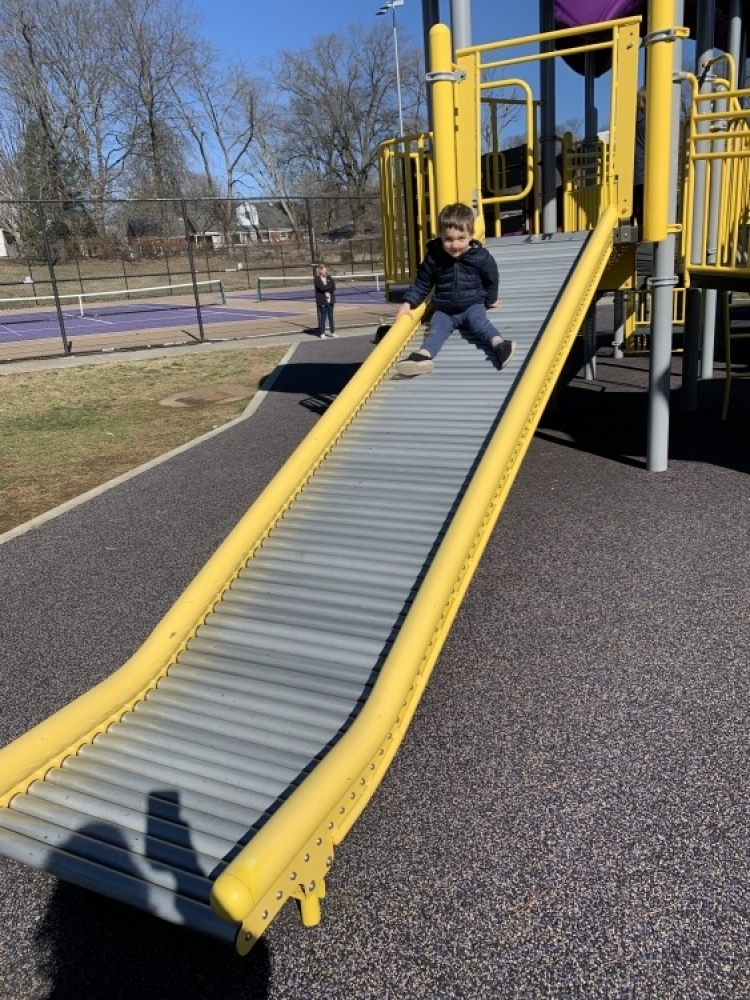
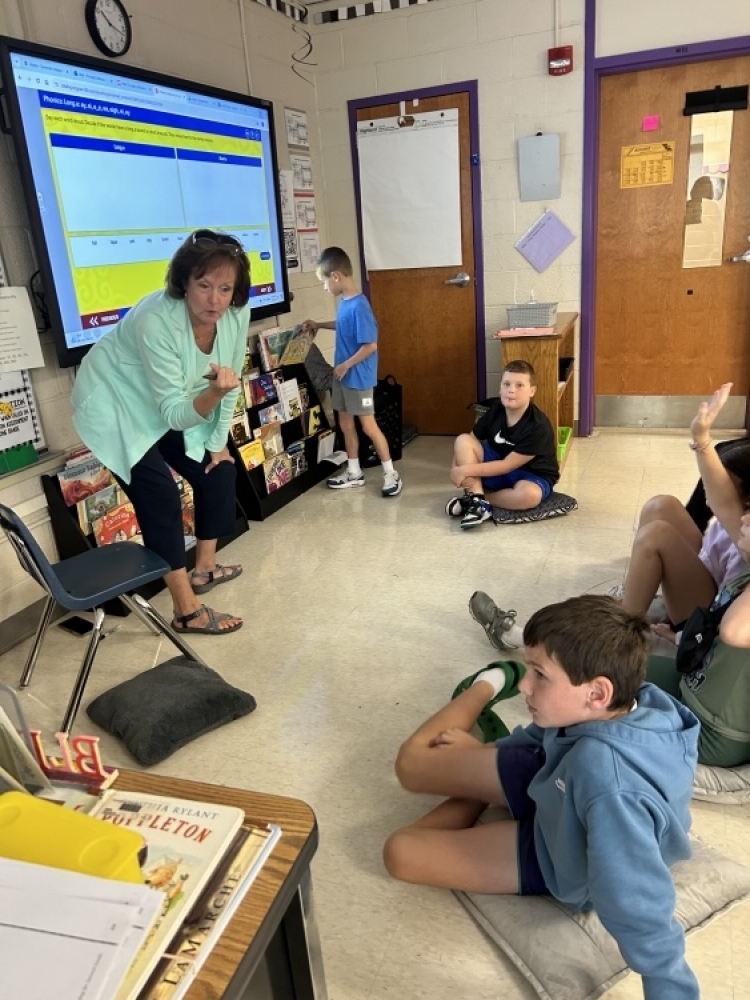
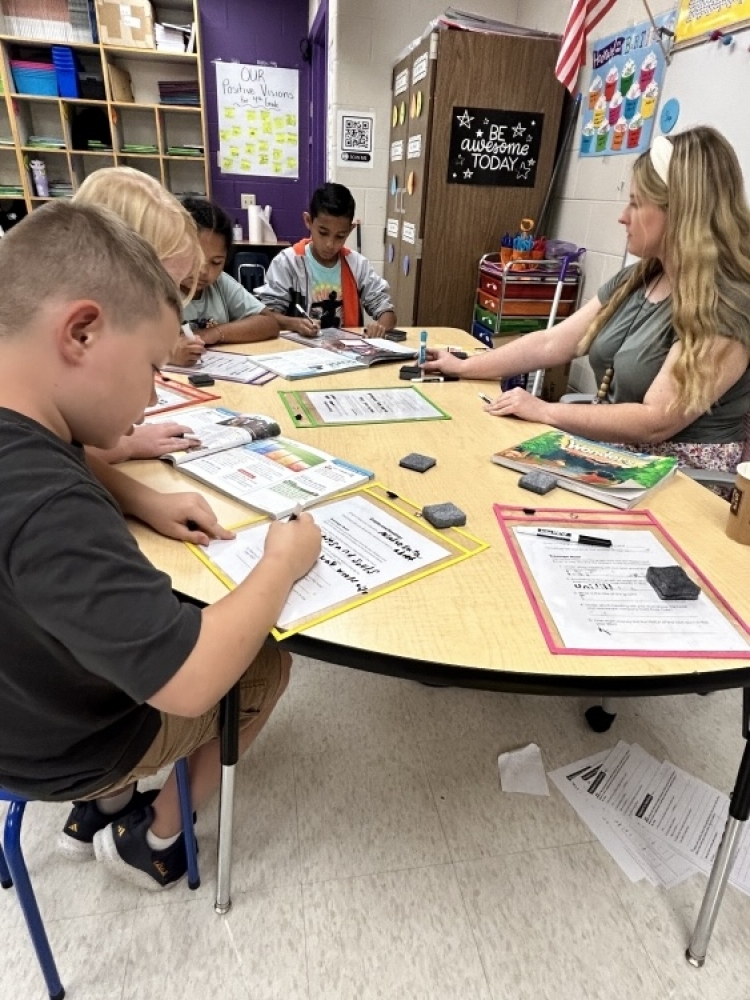
"Hopkins believes in and demonstrates that quality education comes through partnerships with school personnel, parents, and community stakeholders."
- 1. Tell us about your school’s success.
- Pulaski County, Kentucky, is known for having a diverse population, with English and Spanish being the two primary languages spoken. While English is the primary language of the county, Spanish has become increasingly prevalent in recent years due to the growing Hispanic community, which has increased our school's need for bilingual services, including translation services and interpreters. Also, some students speak Gujarati, Japanese, and other dialects of Native American languages. Hopkins has one ESL interventionist, one ESL teacher, and one instructional assistant who provides services in students' native language. Hopkins Elementary strives to have a rich culture of learning for ALL students. We strive to provide all students access to a quality and equitable education in a respectful, bias-free environment.
- 2. Talk about the greatest contributing factor(s) that promoted positive change in your school.
- Hopkins leadership, RTI/MTSS/Sp.Ed. Teams collaborate with the classroom teachers to identify individual student needs and provide intentionally targeted interventions so that students below proficiency perform higher in all content areas. To increase our Hispanic students' level of proficiency, at the start of the 23-24 school year, NWEA Map Fluency is provided as a diagnostic screener to all students to pinpoint deficit areas. Our ESL teachers and support staff have increased services to this group of students to promote content vocabulary and to translate tier-1 instruction. Hopkins has monthly PLC meetings to review academic achievement data and share instructional strategies and tools to strengthen achievement deficits. School staff analyze state achievement data and stakeholder surveys during teacher professional development and plan vertically across grade levels. We frequently empower and learn from each other through peer observation.
- 3. How has ESEA funding supported the school's success?
-
Hopkins Elementary School uses Title I funds to provide additional staff, including regular classroom teachers, instructional assistants, and math and reading intervention teachers. The Title I funds also provide teachers with further training, classroom supplemental materials (like Simple Solutions), and technology-based support through formative assessments, devices, and programs like Lexia and Dreambox.
Teachers and students are each given online subscriptions for the reading and math core curriculum. Our reading and math enrichment curriculums, Lexia and DreamBox, are also technology-based. Students are 1:1 with Chromebooks and also have a computer rotation. All classrooms have a teacher's computer, laptops, and interactive Lite Touch smartboard. - 4. What professional development activities were used to improve teaching and learning?
- Firstly, teachers create a positive learning environment that fosters student engagement, including strategies to create a more interactive classroom, such as group work, project-based learning, and the use of technology. Secondly, teachers differentiate instruction to meet the diverse needs of their students, including using various teaching methods, such as visual aids, hands-on activities, and peer-to-peer learning. Lastly and perhaps most importantly, teachers are trained to build relationships with their students, create a safe and supportive classroom environment, know their students personally, and establish clear behavior and academic performance expectations. Our teachers continue their ongoing professional development opportunities that allow them to stay up-to-date on the latest teaching strategies and pedagogical approaches.
- 5. Talk about the cultural shift leading up to your school's success.
- Our school has taken a data-driven approach to instruction over the last several years. Our expectations are high amongst staff and students. Curriculum maps and lesson plans align with Kentucky Academic Standards, and learning targets are posted in the classrooms and monitored during walkthroughs. The expectation is that teachers begin the lesson with the learning intention. The learning intention is reiterated during instruction and again during the closure of the lesson. Students are then informally or formally assessed on mastery of the learning target. Formal assessments include proficiencies, NWEA MAP testing, Lexia, and Dreambox. After analyzing data, students are grouped and assigned tasks to increase their proficiency.
- 6. How has community involvement strengthened your success?
- Hopkins believes in and demonstrates that quality education comes through partnerships with school personnel, parents, and community stakeholders. Stakeholders attend an open house, Fall Festival, Summer Bash, All Pro Dads Breakfast monthly, Real Men Read monthly, Career Day, Multicultural Day, Grandparents lunches, Thanksgiving lunches, awards celebrations, Veterans Day program, Christmas play, Student Council induction, parent-teacher conferences, and our annual Halloween parade. The current PTO helps Hopkins' learners benefit from a formal structure that fosters positive relationships with peers and adults. Hopkins Elementary students and staff benefit from a Family Resource Youth Service Center (FRYSC). An advisory committee oversees the FRYSC and identifies the center's goals, progress, and budget. Also, our Site-Based Decision-Making Council, comprised of teachers and parents, helps guide the school positively.
Stats
-
Category 3
Selected in 2024
-
Grades: pre k - 4
School Setting: rural
Town Population: 12,365
Student Enrollment: 762
Student Demographics:
Black/African American: 1.4%
Teacher/Student Ratio: 1:14
White/Caucasian: 83%
Hispanic: 9%
Hawaiian/Pacific Islander: 0%
Asian: 0.4%
Native American: 0%
Other: 6.2%
% Reduced Lunch: 76.4%
% ELL Learners: 7%
Founded: 1956 -
PRINCIPAL:
Hubert Schroer -
CONTACT:
210 May St
Somerset, KY 42501
606-678-8707
hubert.schroer@somerset.kyschools.us
ESEA Network
The National Association of ESEA State Program Administrators is dedicated to building the capacity of education professionals to provide disadvantaged children with a high quality education. Their ESEA Network website provides a host of resources to educators at all levels.
Connect With Us
 |
 |
 |
 |
Contact Us
admin@eseanetwork.org | 800-256-6452
532 North Franklin Street | Fort Bragg, CA 95437
About Us
The National Association of ESEA State Program Administrators (formerly the National Title I Association) is dedicated to building the capacity of education professionals to provide disadvantaged children with a high quality education. Their ESEA Network website provides a host of resources to educators at all levels.
Connect with Us
|
|
|
|