



QBS, LLC

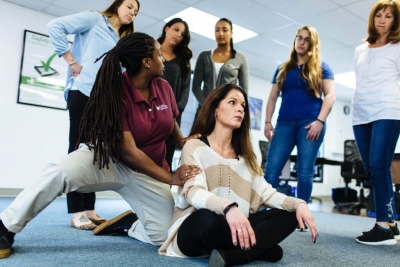
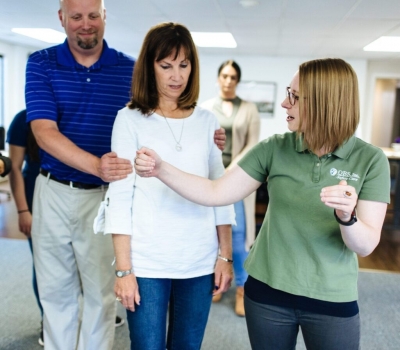
Safety-Care® equips educators and school professionals with practical tools to prevent, de-escalate, and safely respond to behavioral crises while maintaining student dignity and positive relationships.
Grounded in PBIS and evidence-based behavioral principles, Safety-Care emphasizes prevention first. Educators learn how to recognize early signs of escalation, use effective de-escalation strategies in the classroom, and teach functional replacement skills that support long-term behavior change. Safety-Care promotes a trauma-informed, reinforcement-based approach that prioritizes safety, choice, and skill development. The program is appropriate for supporting students with developmental, neurologic, emotional, and behavioral needs, including those with a history of trauma.
By focusing on proactive strategies and skill-building, Safety-Care helps schools reduce unsafe behaviors, limit the need for restrictive interventions, and increase staff confidence when supporting students in challenging moments.
Grounded in PBIS and evidence-based behavioral principles, Safety-Care emphasizes prevention first. Educators learn how to recognize early signs of escalation, use effective de-escalation strategies in the classroom, and teach functional replacement skills that support long-term behavior change. Safety-Care promotes a trauma-informed, reinforcement-based approach that prioritizes safety, choice, and skill development. The program is appropriate for supporting students with developmental, neurologic, emotional, and behavioral needs, including those with a history of trauma.
By focusing on proactive strategies and skill-building, Safety-Care helps schools reduce unsafe behaviors, limit the need for restrictive interventions, and increase staff confidence when supporting students in challenging moments.


Share an Opinion
Opinions
0
opinions
No one has shared an opinion yet.