
-
Category 3
Selected in 2025
-
Grades: k - 4
School Setting: suburban
Town Population: 99,000
Student Enrollment: 586
Student Demographics:
Black/African American: 5%
Teacher/Student Ratio: 1:13
White/Caucasian: 62%
Hispanic: 29%
Hawaiian/Pacific Islander: 0%
Asian: 0%
Native American: 0%
Other: 4%
% Reduced Lunch: 100%
% ELL Learners: 28%
Founded: 1940 -
PRINCIPAL:
Brad Johnson -
CONTACT:
175 Erwin Hills Road
Asheville, NC 28001
828-232-4282
bradley.johnson@bcsemail.org
West Buncombe Elementary School
Asheville, NC



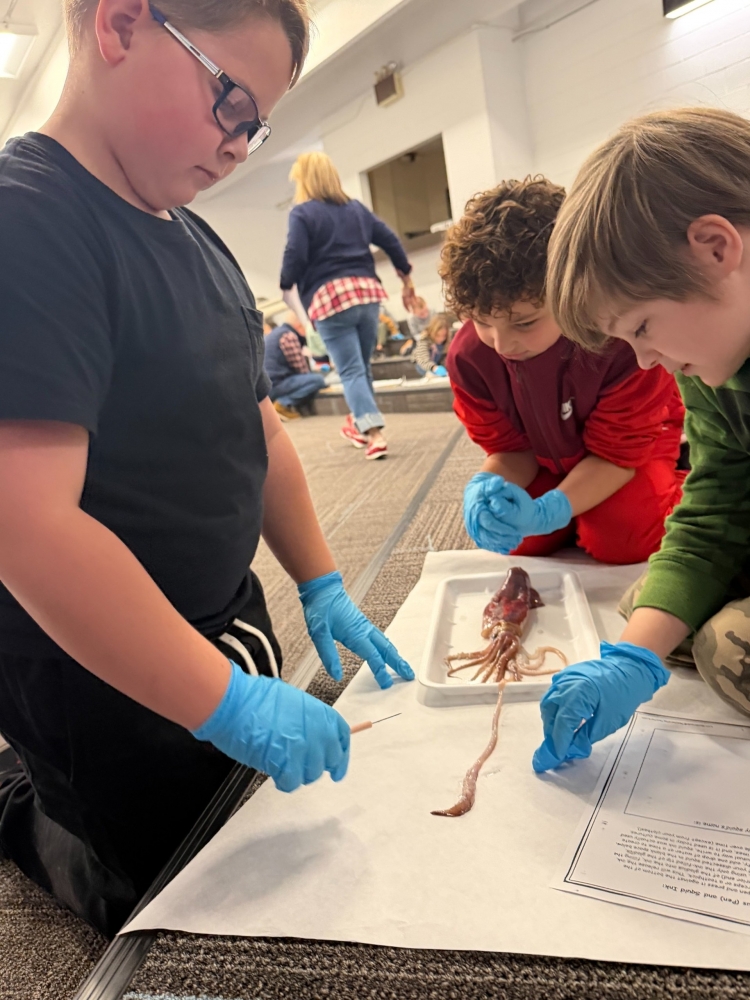
- 1. What key actions or strategies have been most instrumental to your school’s success?
- Our success at West Buncombe comes from a clear belief that every child can grow. One of our most effective strategies is our 30-Day Data Digs, where teams review student progress and adjust instruction quickly so no student is overlooked. Just as important is the deep love our teachers have for children. They build strong relationships that help students feel seen, supported, and ready to take academic risks. Our staff also maintains exceptionally high expectations for every learner, pushing students far beyond what they believe they can achieve. Collaboration is at the heart of our work, with teachers planning together, sharing strategies, and taking collective responsibility for all students. These systems, paired with a caring culture and a commitment to high standards, have been central to our continued success.
- 2. What significant challenges did your school face during your improvement efforts, and how did you address them?
- A major challenge during our improvement efforts came after Hurricane Helene. While our school had only minimal damage, many of our families faced severe loss and displacement, and our month-long closure disrupted learning and routines. We responded with strong communication, outreach, and flexibility, delivering materials, checking on families, and keeping students connected academically and emotionally. When we returned, we focused on rebuilding consistency, offering targeted support, and reestablishing a sense of safety and community. This collective effort helped students regain momentum despite the hardship around them and highlighted the resilience of our staff and families. The experience strengthened our relationships, deepened trust, and reaffirmed how essential stability and connection are to student growth.
- 3. How did professional development contribute to your school’s improvement efforts?
- Professional development played a major role in our improvement work by giving teachers the tools, confidence, and shared language needed to strengthen instruction. We focused on practical, classroom-driven training aligned with our goals, literacy and math practices, data use, and effective interventions. PD was ongoing rather than one-and-done, with coaching, model lessons, and follow-up built in. This consistency helped teachers refine instruction, align expectations across classrooms, and better support all learners. By investing in staff growth, we directly improved student growth.
- 4. In what ways did family and/or community partnerships support your school’s success?
- Family and community partnerships were essential to our success. Our families stayed closely connected to the school, communicated openly, and worked with us to support consistent attendance, strong routines, and learning at home. After Hurricane Helene, the community rallied around our students, offering donations, resources, and encouragement that helped stabilize families and keep students engaged. Local organizations, volunteers, and parent groups also supported events, tutoring, and celebrations that strengthened our school culture. These partnerships created a strong network around our students and reinforced the message that their success matters to the entire community. The shared commitment from families and community members gave our students confidence, strengthened trust, and helped us maintain a welcoming, supportive environment where all children could thrive.
- 5. How has ESEA funding (e.g., Title I, II, III) been strategically used to support student achievement?
- ESEA funding, particularly Title I, has been used strategically to directly support student achievement. We have invested in instructional assistants, targeted intervention support, and additional time for small-group instruction. Funds also helped provide high-quality materials, tutoring, and family engagement resources that strengthen learning at home. Title I support allowed us to maintain consistent intervention structures, reduce group sizes, and respond quickly to student needs identified in our 30-Day Data Digs. These investments created more instructional time, stronger support systems, and measurable gains in student growth.
- 6. What advice would you give to a school just beginning its improvement journey?
- ESEA funding, particularly Title I, has been used strategically to directly support student achievement. We have invested in instructional assistants, targeted intervention support, and additional time for small-group instruction. Funds also helped provide high-quality materials, tutoring, and family engagement resources that strengthen learning at home. Title I support allowed us to maintain consistent intervention structures, reduce group sizes, and respond quickly to student needs identified in our 30-Day Data Digs. These investments created more instructional time, stronger support systems, and measurable gains in student growth. Additionally, Title I has allowed us to offer extended learning opportunities, support professional development aligned to our core goals, and ensure teachers have the tools they need to deliver high-quality, data-driven instruction.
Stats
-
Category 3
Selected in 2025
-
Grades: k - 4
School Setting: suburban
Town Population: 99,000
Student Enrollment: 586
Student Demographics:
Black/African American: 5%
Teacher/Student Ratio: 1:13
White/Caucasian: 62%
Hispanic: 29%
Hawaiian/Pacific Islander: 0%
Asian: 0%
Native American: 0%
Other: 4%
% Reduced Lunch: 100%
% ELL Learners: 28%
Founded: 1940 -
PRINCIPAL:
Brad Johnson -
CONTACT:
175 Erwin Hills Road
Asheville, NC 28001
828-232-4282
bradley.johnson@bcsemail.org
ESEA Network
The National Association of ESEA State Program Administrators is dedicated to building the capacity of education professionals to provide disadvantaged children with a high quality education. Their ESEA Network website provides a host of resources to educators at all levels.
Connect With Us
 |
 |
 |
 |
Contact Us
admin@eseanetwork.org | 800-256-6452
532 North Franklin Street | Fort Bragg, CA 95437
About Us
The National Association of ESEA State Program Administrators (formerly the National Title I Association) is dedicated to building the capacity of education professionals to provide disadvantaged children with a high quality education. Their ESEA Network website provides a host of resources to educators at all levels.
Connect with Us
|
|
|
|