
-
Category 2
Selected in 2024
-
Grades: pre k - 8
School Setting: rural
Town Population: 0
Student Enrollment: 347
Student Demographics:
Black/African American: 0%
Teacher/Student Ratio: 1:15
White/Caucasian: 0%
Hispanic: 0%
Hawaiian/Pacific Islander: 0%
Asian: 0%
Native American: 100%
Other: 0%
% Reduced Lunch: 100%
% ELL Learners: 17%
Founded: 1975 -
PRINCIPAL:
Sharon Watson-Murray -
CONTACT:
19 Rt 27
Chinle, AZ 86503
928-674-9102
wesharon@chinleusd.k12.az.us
Tsaile Public School
Chinle, AZ
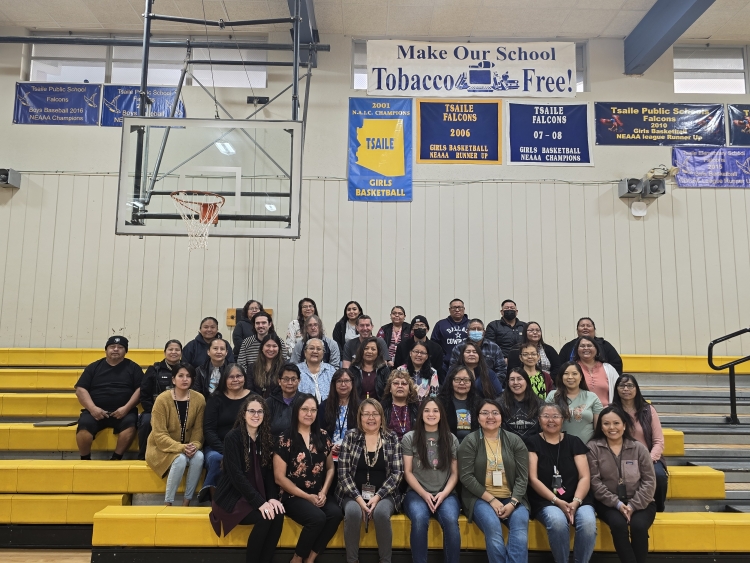
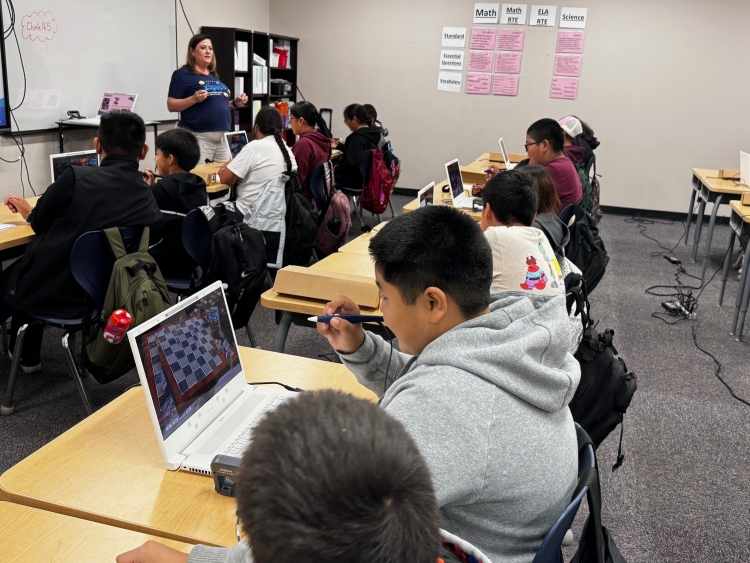
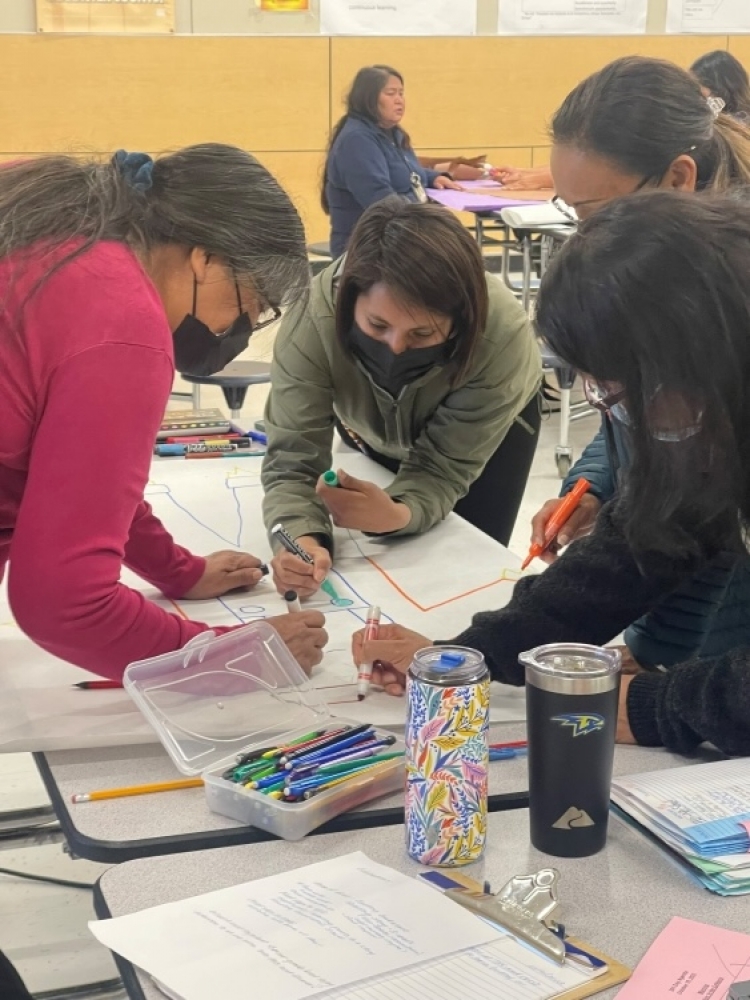
"Education is no longer seen as solely the school’s responsibility but a shared endeavor."
- 1. Tell us about your school’s success.
-
TPS has achieved remarkable success through a combination of rigorous curriculum, targeted instruction, and strong community partnerships. Our students have demonstrated impressive academic growth, with 6th graders achieving a 72% Math pass rate and 3rd graders securing a 70% pass rate in both Math and ELA. We’re particularly proud of our Kindergarten students, who all met literacy benchmarks by year-end. Our commitment to early literacy has led to significant fluency gains in grades 1-3, and our English Learners have experienced a 20% increase in reclassification. Furthermore, chronic absenteeism has dropped dramatically from 59.41% to 19.39% in 2023-24, reflecting our inclusive approach and community-driven efforts. These successes highlight TPS’s dedication to academic excellence, equity, and continuous improvement, ensuring every student’s opportunity to thrive.
- 2. Talk about the greatest contributing factor(s) that promoted positive change in your school.
-
Our school achieved significant progress by focusing on data-driven practices, fostering collaboration, and maintaining alignment with our vision and mission. Teachers regularly assessed students to identify needs, supported by enrichment teachers integrating core skills across subjects. Professional Learning Communities (PLCs) enhanced data discussions and cross-grade collaboration, improving targeted instruction. Initiatives like the Reteach and Enrich model, early literacy focus, and STEM integration empowered students to succeed academically while exploring future career pathways. Targeted support for English Learners resulted in impressive gains, reflecting our commitment to equity and inclusion. By maintaining high expectations, refining a guaranteed and viable curriculum, and investing in professional development, we continue to drive student growth. These efforts build on a strong foundation, ensuring all students thrive academically and are prepared for lifelong success.
- 3. How has ESEA funding supported the school's success?
- Our school strategically utilizes federal funds to enhance instruction and student achievement. Title I funds 100% of our budget, supporting academic coaches, professional development, and instructional resources. It also enables initiatives like Beyond Textbooks, Scholastic My Books that foster student engagement and academic growth. Title II focuses on professional learning and leadership coaching, ensuring educators continuously improve their instructional practices. Title III supports English Learner programs and family engagement, which strengthens our school community. ESSER funding provided technology, extended learning opportunities, and high-dosage tutoring, especially for Native American students, to address learning gaps. Title VII (Impact Aid) has been crucial in funding and sustaining our preschool program, laying a strong foundation for early learning. These targeted investments ensure all students have access to quality education, driving success and academic excellence.
- 4. What professional development activities were used to improve teaching and learning?
- Professional development aligned to academic goals, emphasizing program fidelity, self-reflection, and accountability. Weekly, job-embedded PD focuses on immediate application to classroom practices, with differentiated support from Academic Coaches to ensure implementation with fidelity to programs like Thinking Maps, Structured Literacy, and Balanced Math for consistency across classrooms. Teachers engage in self-reflection using data and receive feedback to refine practices. Cluster Cycles and monthly embedded PD provide structured time for focused learning and collaboration. Professional Learning Communities foster teamwork, allowing teachers to share strategies, analyze data, and align efforts with school goals. Data-driven insights guide PD development, equipping teachers with strategies to enhance engagement and achievement. Supported by Academic Coaches, Tsaile’s cohesive PD framework drives instructional improvement, strengthening teacher capacity and boost student success.
- 5. Talk about the cultural shift leading up to your school's success.
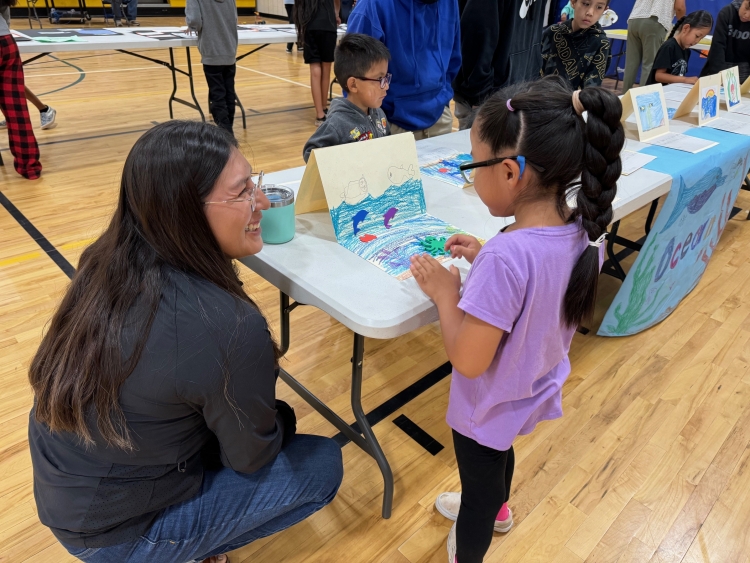
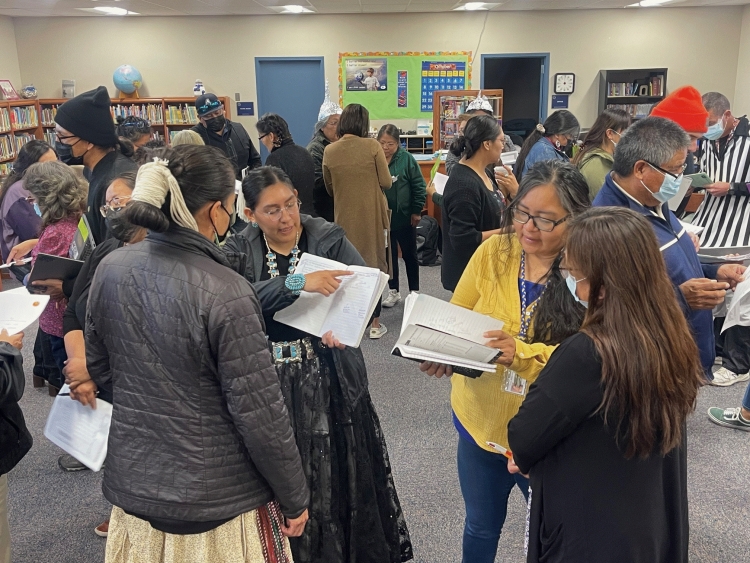
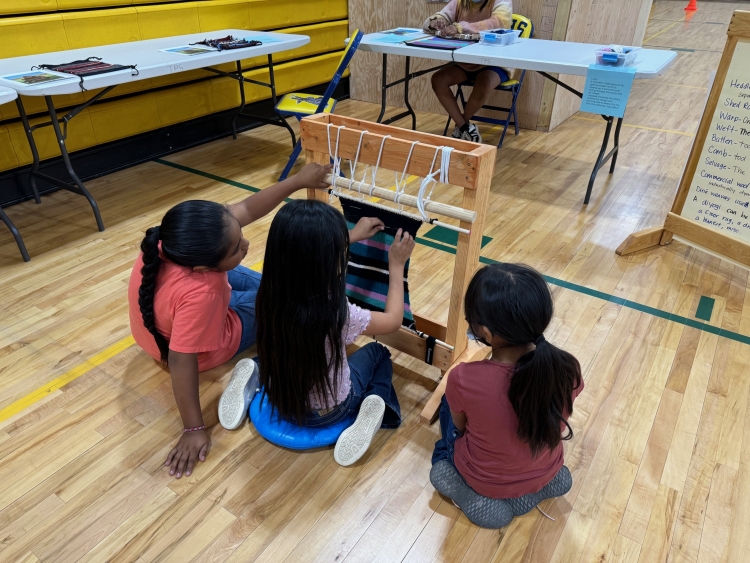
- High expectations for family involvement have shifted perceptions. Families now see themselves as partners, and embrace learning as a shared responsibility. Family engagement efforts, including bi-monthly STEAM and Literacy events, holiday lunches, and workshops, have been key. These provided informal settings to celebrate achievements, strengthen relationships, and share strategies for supporting learning at home. Events offered tools for families to support academic growth, making education a joint effort between home and school. Career and Science Fairs linked academics to real-world applications, and the Art and Academic Showcase celebrated student creativity. The transformation has triggered a ripple effect sparking enthusiasm for education, inspiring families to invest in academic success and fostering a supportive atmosphere for excellence.
- 6. How has community involvement strengthened your success?
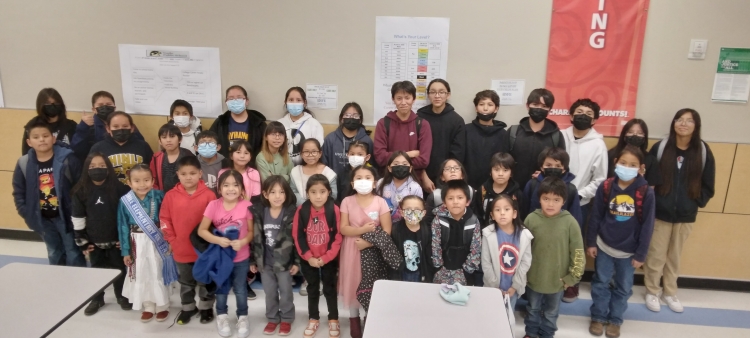
- Community involvement has been crucial to our success. Committees of teachers, families, students, and community members collaborated on action plans aligned with school goals. Partnerships with local businesses, community colleges, and organizations enriched student experiences through guest speakers, mentors, and resources. Student teachers supported classroom instruction and strengthened ties to colleges. High family involvement and community engagement have transformed attitudes toward education, fostering a culture where learning is a joint responsibility. Education is no longer seen as solely the school’s responsibility but a shared endeavor. Community members support educational initiatives, creating an environment that reinforces students’ efforts and celebrates their achievements. This collaborative approach has built a strong network, improving educational outcomes and strengthening the community.
Stats
-
Category 2
Selected in 2024
-
Grades: pre k - 8
School Setting: rural
Town Population: 0
Student Enrollment: 347
Student Demographics:
Black/African American: 0%
Teacher/Student Ratio: 1:15
White/Caucasian: 0%
Hispanic: 0%
Hawaiian/Pacific Islander: 0%
Asian: 0%
Native American: 100%
Other: 0%
% Reduced Lunch: 100%
% ELL Learners: 17%
Founded: 1975 -
PRINCIPAL:
Sharon Watson-Murray -
CONTACT:
19 Rt 27
Chinle, AZ 86503
928-674-9102
wesharon@chinleusd.k12.az.us
ESEA Network
The National Association of ESEA State Program Administrators is dedicated to building the capacity of education professionals to provide disadvantaged children with a high quality education. Their ESEA Network website provides a host of resources to educators at all levels.
Connect With Us
 |
 |
 |
 |
Contact Us
admin@eseanetwork.org | 800-256-6452
532 North Franklin Street | Fort Bragg, CA 95437
About Us
The National Association of ESEA State Program Administrators (formerly the National Title I Association) is dedicated to building the capacity of education professionals to provide disadvantaged children with a high quality education. Their ESEA Network website provides a host of resources to educators at all levels.
Connect with Us
|
|
|
|