
-
Category 2
Selected in 2025
-
Grades: 6 - 8
School Setting: urban
Town Population: 210,000
Student Enrollment: 398
Student Demographics:
Black/African American: 54.3%
Teacher/Student Ratio: 1:22
White/Caucasian: 14.8%
Hispanic: 15.3%
Hawaiian/Pacific Islander: 0%
Asian: 5.3%
Native American: 0.3%
Other: 10.1%
% Reduced Lunch: 41%
% ELL Learners: 1%
Founded: 1996 -
PRINCIPAL:
Christin Etchison -
CONTACT:
6830 Raeford Road
Fayetteville, NC 28304
910-864-0092
christinetchison@ccs.k12.nc.us
Seventy-First Classical Middle School
Fayetteville, NC

- 1. What key actions or strategies have been most instrumental to your school’s success?
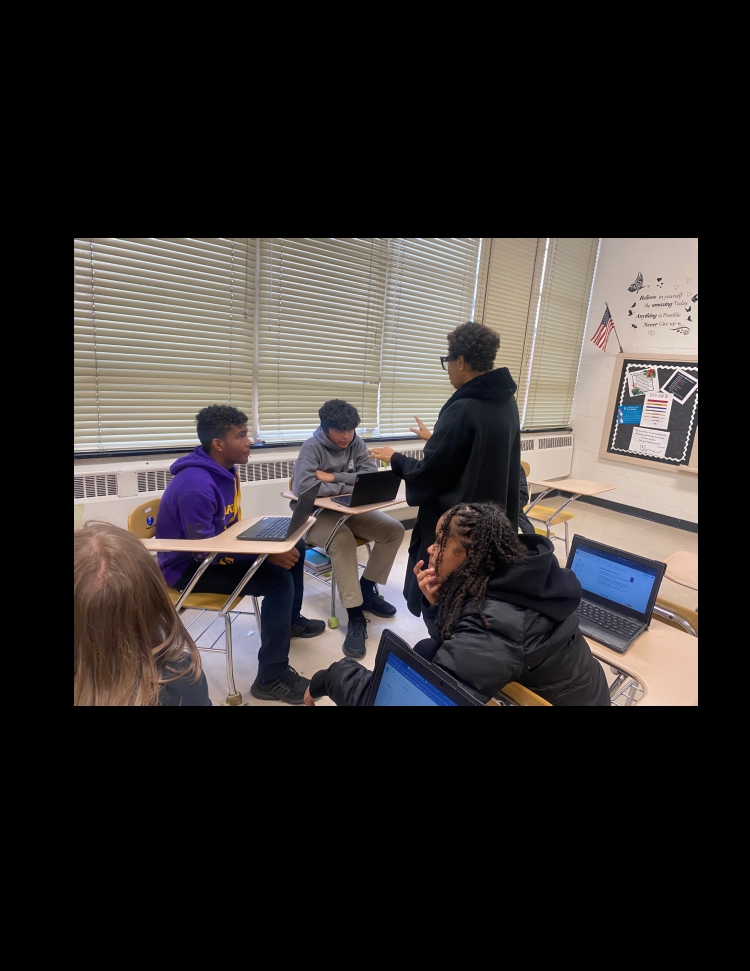
- We established consistent structures for analyzing student data through PLCs, assessments, and progress monitoring. Teachers regularly used data to identify gaps, adjust instruction, and provide timely interventions. A major focus was strengthening core instruction schoolwide. Through instructional coaching, walkthrough feedback, and aligned lesson planning, we ensured that high-quality, standards-aligned instruction was occurring in every classroom. Our success was strengthened by intentional collaboration with Cumberland County Schools and Title I leadership. Their guidance, resources, and instructional support helped align our efforts and maintain a clear focus on equity and outcomes. In short: our success was driven by alignment: strong instruction, purposeful data use, collaborative leadership, and a shared belief that every student can achieve at high levels when given the right supports.
- 2. What significant challenges did your school face during your improvement efforts, and how did you address them?
- One major challenge was addressing persistent learning gaps, particularly for students performing below grade level. We addressed this by strengthening Tier I instruction and using assessment data to guide instructional adjustments and targeted interventions. This ensured all students had access to rigorous, standards-aligned instruction. Another challenge was inconsistent instructional practices across classrooms. We established clear expectations for teaching and learning, supported by PLC collaboration, instructional coaching, and regular walkthroughs. These structures helped improve alignment and consistency schoolwide. We prioritized a small number of high-impact strategies and provided job-embedded professional learning to reduce overload and increase buy-in. Additionally, student engagement and attendance required focused attention. We emphasized relationship-building, positive school culture, and family communication to improve student connection and motivation.
- 3. How did professional development contribute to your school’s improvement efforts?
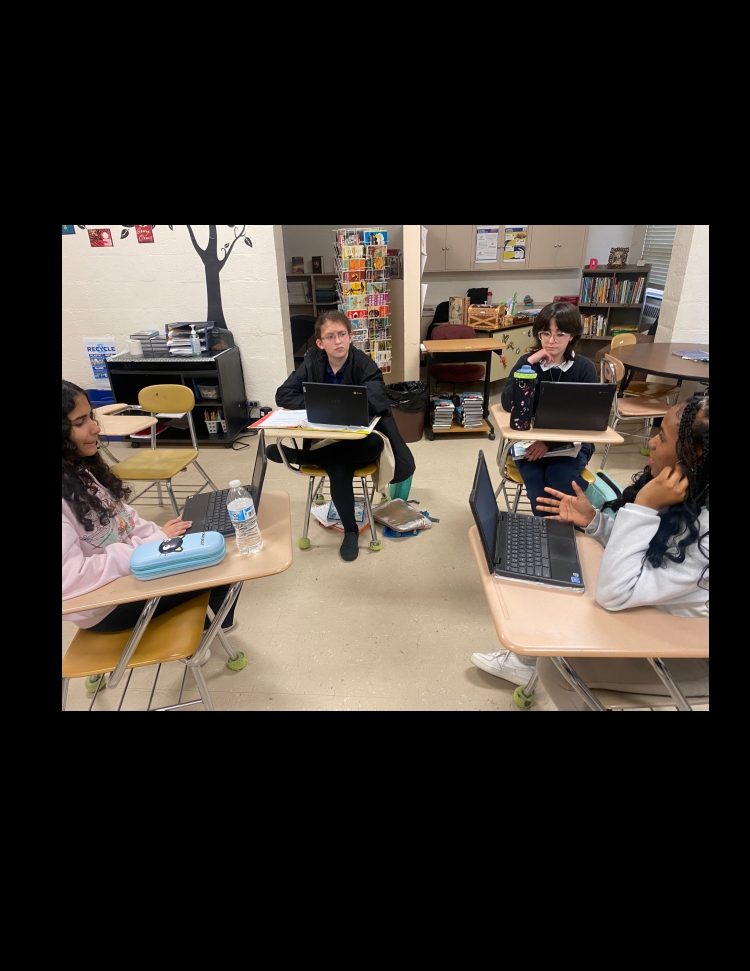
- First, professional development strengthened teachers’ ability to use small-group instruction effectively. Teachers were trained to analyze assessment data, identify specific skill gaps, and design targeted small-group lessons that met students at their instructional level. Coaching and PLC support helped teachers refine grouping practices, use progress monitoring, and adjust instruction in real time, which led to more personalized learning and accelerated growth for students. Second, professional development emphasized high-yield instructional strategies that had the greatest impact on student achievement. Rather than introducing numerous initiatives, PD focused on a small set of research-based strategies such as explicit instruction, checks for understanding, academic discourse, and purposeful feedback.
- 4. In what ways did family and/or community partnerships support your school’s success?
- Mentoring programs for high-risk students were especially impactful. Community volunteers and faith-based mentors built meaningful relationships with students who benefited from additional adult support. These mentoring relationships helped improve attendance, behavior, and student confidence while fostering accountability and goal-setting. Students were more engaged academically when they felt supported and connected to caring adults beyond the school setting. Small business partnerships and churches also contributed to our success by investing directly in students and school initiatives. They supported school events, provided incentives for academic growth and positive behavior, and contributed resources that enhanced school programs. Together, churches, mentors, and small businesses created a strong network of support that extended learning beyond the classroom.
- 5. How has ESEA funding (e.g., Title I, II, III) been strategically used to support student achievement?
-
ESEA funding has been strategically used to support student achievement by aligning resources directly to instructional priorities and equity needs. Title I funding was used to strengthen core instruction and provide targeted academic support. Funds supported intervention resources, instructional materials, and extended learning opportunities focused on closing achievement gaps. Title I also helped fund additional support staff and programs that addressed the needs of students performing below grade level, ensuring access to high-quality instruction and timely intervention.
Title II funding supported professional development aimed at improving instructional quality. These funds were used to provide coaching, job-embedded professional learning, and training on high-yield instructional strategies, small-group instruction, and data-driven practices. By building teacher capacity, Title II investments directly impacted classroom instruction and student outcomes. - 6. What advice would you give to a school just beginning its improvement journey?
- First, establish a clear instructional focus grounded in student data. Avoid trying to fix everything at once. Second, build strong collaborative structures. Effective PLCs are essential. Create protected time for teachers to analyze data, plan instruction, and problem-solve together. Improvement accelerates when teachers feel supported. Third, invest in people before programs. Relationships matter. Build trust with staff, empower teacher leaders, and provide job-embedded professional development tied directly to classroom practice. Sustainable change happens when educators understand the “why” and feel ownership of the work. Fourth, maintain high expectations while providing the right supports. Believe in every student’s ability to grow and ensure interventions, mentoring, and social-emotional supports are in place to remove barriers to learning. Finally, stay the course.
Stats
-
Category 2
Selected in 2025
-
Grades: 6 - 8
School Setting: urban
Town Population: 210,000
Student Enrollment: 398
Student Demographics:
Black/African American: 54.3%
Teacher/Student Ratio: 1:22
White/Caucasian: 14.8%
Hispanic: 15.3%
Hawaiian/Pacific Islander: 0%
Asian: 5.3%
Native American: 0.3%
Other: 10.1%
% Reduced Lunch: 41%
% ELL Learners: 1%
Founded: 1996 -
PRINCIPAL:
Christin Etchison -
CONTACT:
6830 Raeford Road
Fayetteville, NC 28304
910-864-0092
christinetchison@ccs.k12.nc.us
ESEA Network
The National Association of ESEA State Program Administrators is dedicated to building the capacity of education professionals to provide disadvantaged children with a high quality education. Their ESEA Network website provides a host of resources to educators at all levels.
Connect With Us
 |
 |
 |
 |
Contact Us
admin@eseanetwork.org | 800-256-6452
532 North Franklin Street | Fort Bragg, CA 95437
About Us
The National Association of ESEA State Program Administrators (formerly the National Title I Association) is dedicated to building the capacity of education professionals to provide disadvantaged children with a high quality education. Their ESEA Network website provides a host of resources to educators at all levels.
Connect with Us
|
|
|
|