
-
Category 1
Selected in 2025
-
Grades: k - 5
School Setting: rural
Town Population: 17
Student Enrollment: 282
Student Demographics:
Black/African American: 2%
Teacher/Student Ratio: 1:17
White/Caucasian: 91%
Hispanic: 3%
Hawaiian/Pacific Islander: 0%
Asian: 2%
Native American: 0%
Other: 2%
% Reduced Lunch: 45%
% ELL Learners: 1%
Founded: 1957 -
PRINCIPAL:
Stephanie Eaton -
CONTACT:
3716 Market Street
Hannibal, MO 63401
573-221-2747
seaton@hannibal60.com
Oakwood Elementary School
Hannibal, MO

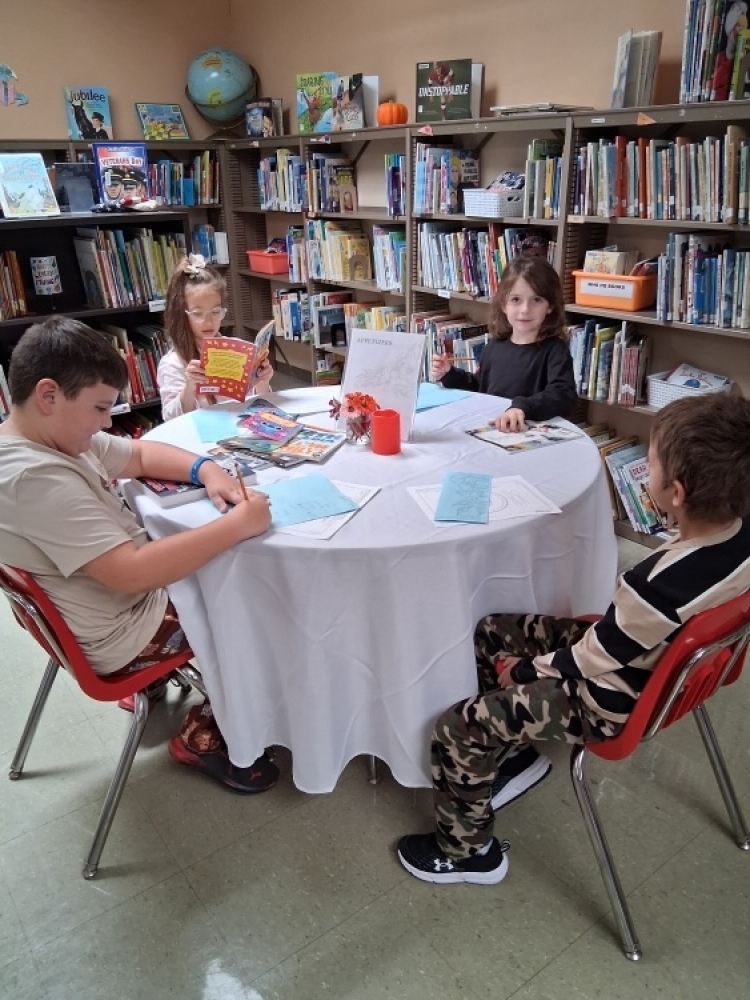
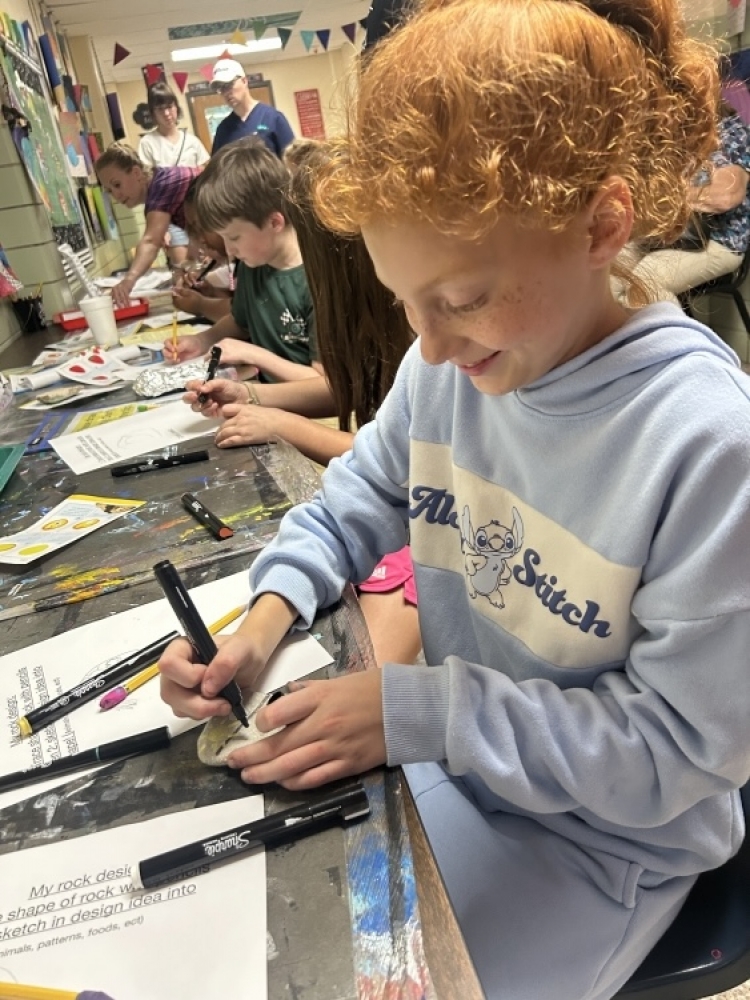
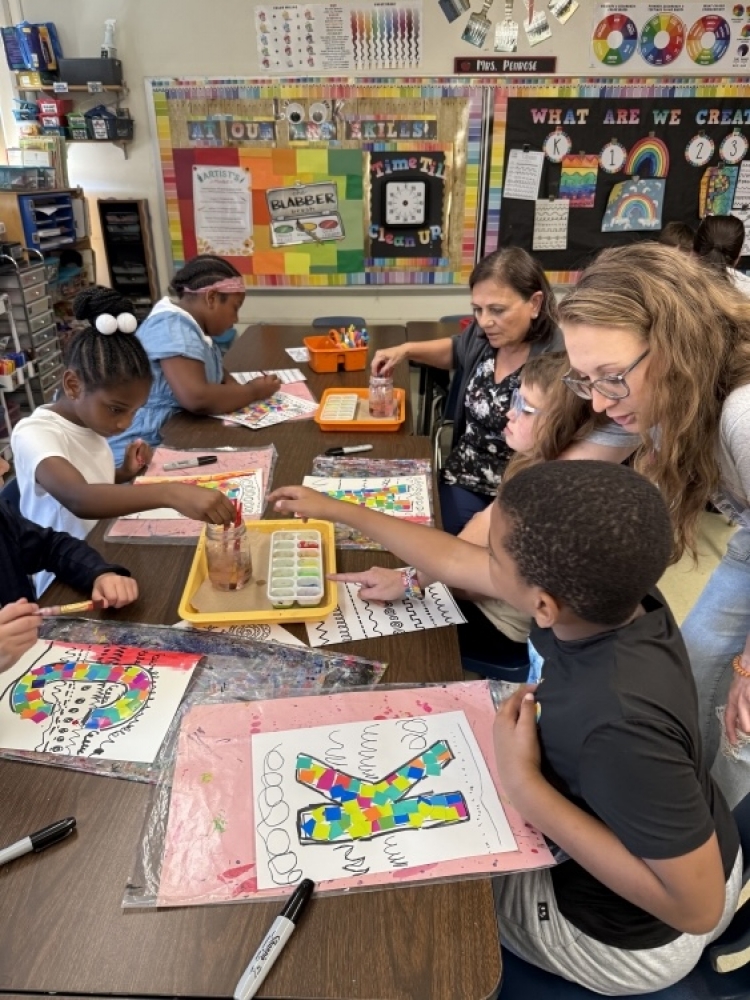
- 1. What key actions or strategies have been most instrumental to your school’s success?
- Our school’s success is rooted in a focused, data-driven approach and a strong commitment to equitable outcomes for all students. We regularly analyze multiple data sources to identify needs, monitor progress, and adjust instruction and interventions in a timely manner. High-quality, standards-aligned instruction is paired with intentional differentiation, including small-group instruction and targeted interventions embedded within the school day. Collaborative teacher teams engage in purposeful planning and reflection to strengthen instructional practices and ensure consistency across classrooms. Clear systems of academic and behavioral support provide timely assistance and are monitored for effectiveness. In addition, a positive, inclusive school culture and strong family partnerships support student engagement, shared accountability, and sustained improvement in student achievement.
- 2. What significant challenges did your school face during your improvement efforts, and how did you address them?
- During our improvement efforts, our school faced several significant challenges, including addressing learning gaps, meeting the diverse academic and social-emotional needs of students, and ensuring consistent implementation of high-quality instruction across classrooms. To address these challenges, we used multiple data sources to identify priority needs and implemented targeted interventions aligned to those needs. We also refined systems of support to provide timely academic and behavioral interventions, while increasing family communication and engagement to reinforce learning beyond the school day. Through intentional planning, collaboration, and ongoing monitoring, these challenges became opportunities for growth and sustained improvement.
- 3. How did professional development contribute to your school’s improvement efforts?
- Professional development played a critical role in our school’s improvement efforts by building staff capacity and ensuring consistent, high-quality instructional practices. Professional learning was intentionally aligned to identified student needs and schoolwide goals, with a focus on effective instruction, differentiation, and the use of data to inform decision-making. This sustained, job-embedded approach to professional development strengthened instructional consistency, improved targeted interventions, and directly contributed to measurable gains in student achievement.
- 4. In what ways did family and/or community partnerships support your school’s success?
- Family and community partnerships played an important role in our school’s success by strengthening communication, trust, and shared responsibility for student learning. We prioritized consistent, two-way communication with families to ensure they were informed about academic expectations, student progress, and available supports. Families were engaged as partners in reinforcing learning at home and supporting student attendance and engagement. Community partnerships provided additional resources, enrichment opportunities, and support services that enhanced student learning and well-being. Together, these partnerships created a collaborative support system that contributed to improved student outcomes and a positive, inclusive school culture.
- 5. How has ESEA funding (e.g., Title I, II, III) been strategically used to support student achievement?
- ESEA funding has been strategically used to support student achievement by aligning resources to identified needs and schoolwide improvement goals. Title I funds supported targeted interventions, additional instructional staff, and evidence-based programs designed to address learning gaps. Title II funding strengthened instructional practices through high-quality professional development, coaching, and collaborative planning focused on effective instruction and differentiation. Together, these funds were intentionally coordinated to maximize impact, ensure equitable access to supports, and drive measurable improvements in student outcomes.
- 6. What advice would you give to a school just beginning its improvement journey?
- For schools beginning their improvement journey, focus first on building a clear, shared vision grounded in student data and equity. Use multiple data sources to identify priority needs and align goals, resources, and instructional practices accordingly. Invest in strong collaboration among staff and provide job-embedded professional development that directly supports classroom instruction. Establish clear systems for monitoring progress and adjusting strategies as needed. Finally, foster a positive school culture and strong family partnerships, as sustainable improvement depends on trust, consistency, and shared ownership of student success.
Stats
-
Category 1
Selected in 2025
-
Grades: k - 5
School Setting: rural
Town Population: 17
Student Enrollment: 282
Student Demographics:
Black/African American: 2%
Teacher/Student Ratio: 1:17
White/Caucasian: 91%
Hispanic: 3%
Hawaiian/Pacific Islander: 0%
Asian: 2%
Native American: 0%
Other: 2%
% Reduced Lunch: 45%
% ELL Learners: 1%
Founded: 1957 -
PRINCIPAL:
Stephanie Eaton -
CONTACT:
3716 Market Street
Hannibal, MO 63401
573-221-2747
seaton@hannibal60.com
ESEA Network
The National Association of ESEA State Program Administrators is dedicated to building the capacity of education professionals to provide disadvantaged children with a high quality education. Their ESEA Network website provides a host of resources to educators at all levels.
Connect With Us
 |
 |
 |
 |
Contact Us
admin@eseanetwork.org | 800-256-6452
532 North Franklin Street | Fort Bragg, CA 95437
About Us
The National Association of ESEA State Program Administrators (formerly the National Title I Association) is dedicated to building the capacity of education professionals to provide disadvantaged children with a high quality education. Their ESEA Network website provides a host of resources to educators at all levels.
Connect with Us
|
|
|
|