
-
Category 1
Selected in 2025
-
Grades: 7 - 12
School Setting: urban
Town Population: 88,000
Student Enrollment: 225
Student Demographics:
Black/African American: 2.6%
Teacher/Student Ratio: 1:13
White/Caucasian: 82%
Hispanic: 2.6%
Hawaiian/Pacific Islander: 0%
Asian: 1%
Native American: 8.8%
Other: 3%
% Reduced Lunch: 41.2%
% ELL Learners: 0%
Founded: 2002 -
PRINCIPAL:
Aryn Bergsven -
CONTACT:
332 W Michigan St Ste.300
Duluth, MN 55802
218-722-7574
abergsven@harborcityschool.org
Harbor City International School
Duluth, MN
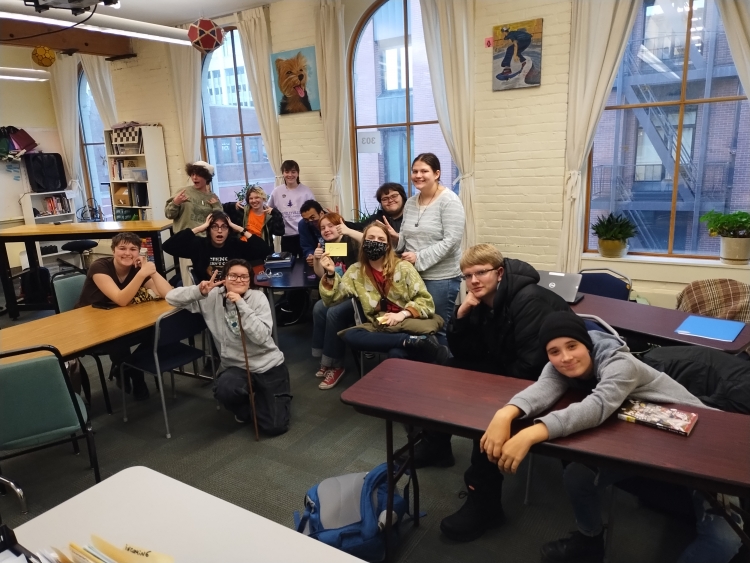
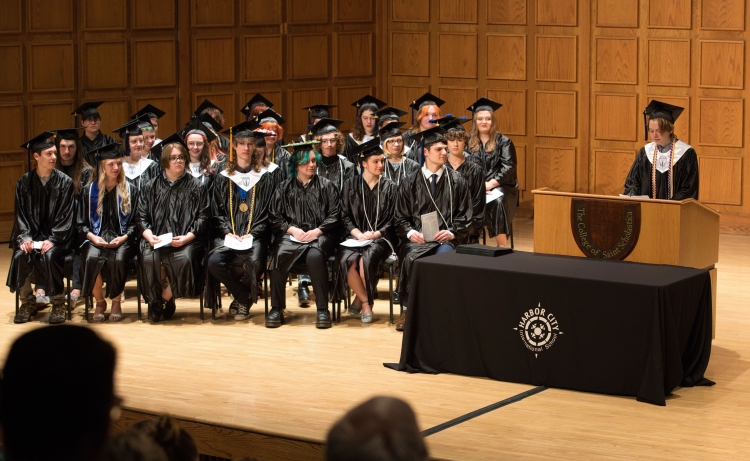
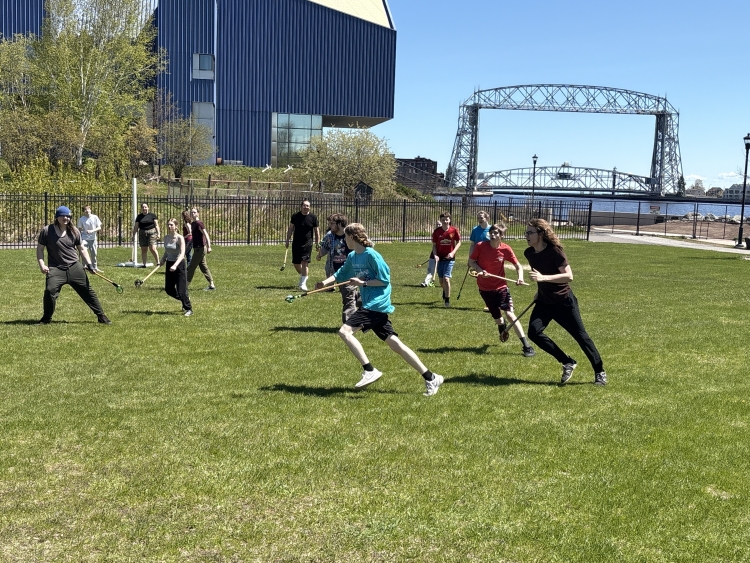
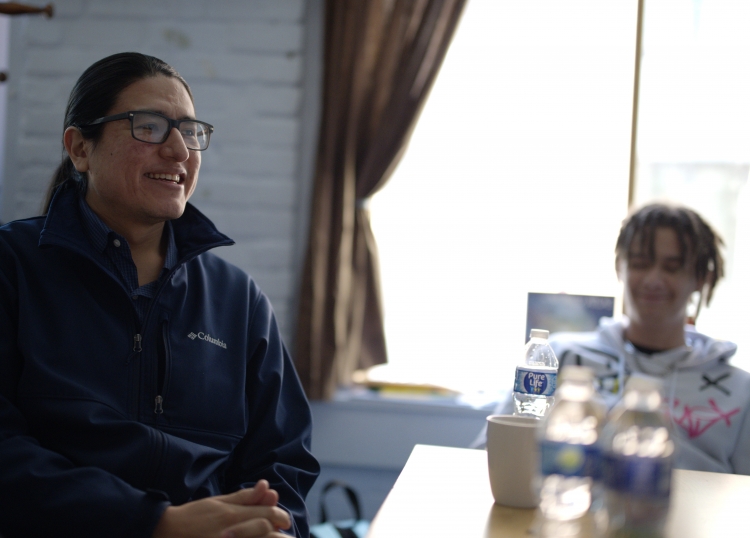
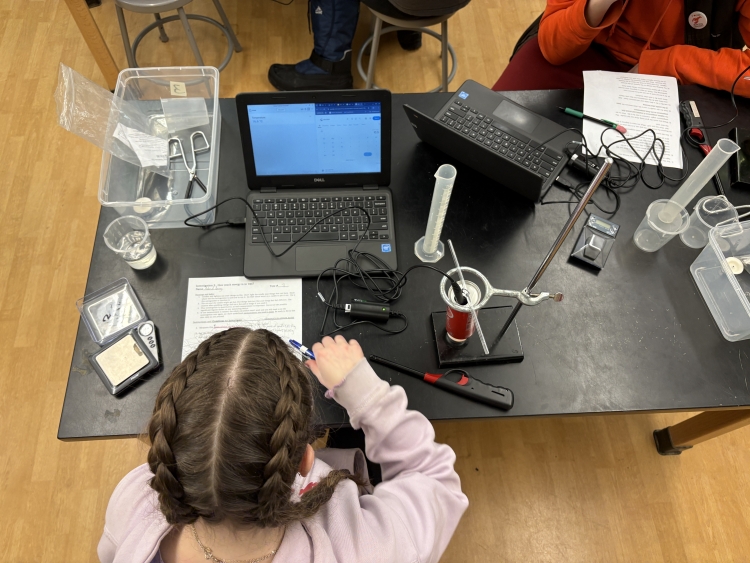


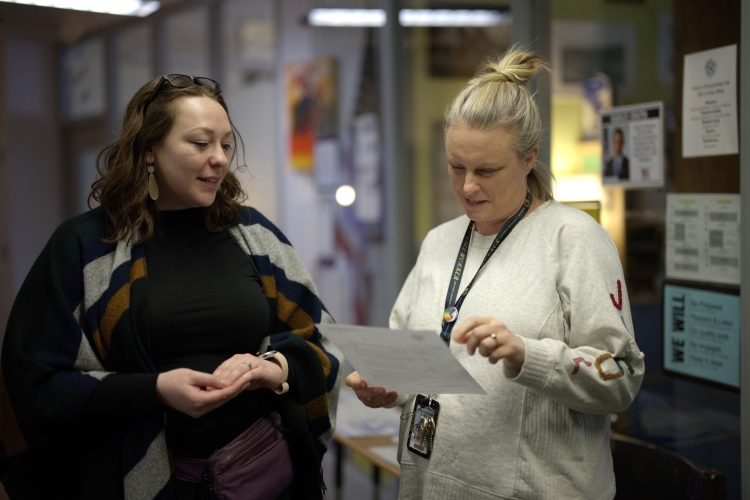
- 1. What key actions or strategies have been most instrumental to your school’s success?
- Harbor City International School’s success is rooted in intentional, mission driven decision making. We quickly adapt our programming to offer differentiated, skill targeted courses while also implementing systems that proactively identify students that need additional support. This understanding allows staff to intervene earlier and better support student learning. Collaboration is a priority at HCIS, and we facilitate this through ongoing community conversations that regularly examine our mission and long term goals and integrating teachers into school decision making and program development across all levels of leadership.
- 2. What significant challenges did your school face during your improvement efforts, and how did you address them?
-
During our improvement efforts, our school faced several significant challenges, including inconsistent student attendance, attrition among veteran staff, and the loss of experienced teachers alongside budget constraints tied to lower enrollment.
To address these challenges, we focused on strengthening systems of support and establishing a sense of shared leadership throughout the school, both on the staff and student level. We implemented Professional Learning Communities and targeted professional development to build common instructional approaches and understandings. Additionally, newly developed teacher leadership teams and PTA initiatives open lines of communication across our community and create ownership in school programming. - 3. How did professional development contribute to your school’s improvement efforts?
- Professional development initiatives have focused on creating a peer mentoring program for new teachers led by veteran teachers in collaboration with regional educational service organizations. In this program, veteran teachers researched and created tools to support new teachers through regular peer support meetings and practical applications of techniques and strategies. Additionally, professional development was centered on administrators and team leaders to develop Professional Learning Communities. This work is focused on building school wide applications and training for all educators in shared strategies in assessment and understanding student achievement.
- 4. In what ways did family and/or community partnerships support your school’s success?
- Harbor City’s mission includes a community engagement component, and our community relationships are beneficial for our students, our staff, and the organizations with which we partner. All students are eligible to receive passes from the Duluth Transit Authority, which can be used for transport to school as well as on evenings and weekends. We also partner with the YMCA to provide memberships for our students, as well as conduct health and fitness classes at the downtown Duluth location. Our spring and winter symposiums involve partnerships with community organizations, including the Duluth Children’s Museum, Lake Superior Zoo, Great Lakes Aquarium, local community clubs, the Duluth Sailing Association, local elementary schools, local environmental organizations, and the City of Duluth, among others. These community experiences are a vital part of HCIS symposium courses, and often include service learning opportunities.
- 5. How has ESEA funding (e.g., Title I, II, III) been strategically used to support student achievement?
- At HCIS, student achievement is closely tied to student engagement. We have used ESEA funding to hire staff who focus on building bridges to increase connection and ownership for our students that struggle to feel invested in their education. This funding has also enabled focused intervention and support for new teachers through mentorship. Our program interventionist supports teacher understanding and support of strategies to accelerate learning and intervenes early to help students succeed.
- 6. What advice would you give to a school just beginning its improvement journey?
- The roadmap to improvement is likely already written- look to your strategic plan and mission and create goals that are firmly rooted in those two things. Include clear timelines and allowed for multiple measures of success. Engaging a diverse team in both the goal setting and the work itself is essential, and incorporating multiple voices strengthens ownership and leads to better outcomes. Lastly- allow adequate time for growth and change by prioritizing manageable, realistic initiatives rather than attempting to address everything at once.
Stats
-
Category 1
Selected in 2025
-
Grades: 7 - 12
School Setting: urban
Town Population: 88,000
Student Enrollment: 225
Student Demographics:
Black/African American: 2.6%
Teacher/Student Ratio: 1:13
White/Caucasian: 82%
Hispanic: 2.6%
Hawaiian/Pacific Islander: 0%
Asian: 1%
Native American: 8.8%
Other: 3%
% Reduced Lunch: 41.2%
% ELL Learners: 0%
Founded: 2002 -
PRINCIPAL:
Aryn Bergsven -
CONTACT:
332 W Michigan St Ste.300
Duluth, MN 55802
218-722-7574
abergsven@harborcityschool.org
ESEA Network
The National Association of ESEA State Program Administrators is dedicated to building the capacity of education professionals to provide disadvantaged children with a high quality education. Their ESEA Network website provides a host of resources to educators at all levels.
Connect With Us
 |
 |
 |
 |
Contact Us
admin@eseanetwork.org | 800-256-6452
532 North Franklin Street | Fort Bragg, CA 95437
About Us
The National Association of ESEA State Program Administrators (formerly the National Title I Association) is dedicated to building the capacity of education professionals to provide disadvantaged children with a high quality education. Their ESEA Network website provides a host of resources to educators at all levels.
Connect with Us
|
|
|
|