
-
Category 1
Selected in 2025
-
Grades: 6 - 12
School Setting: urban
Town Population: 233
Student Enrollment: 317
Student Demographics:
Black/African American: 56%
Teacher/Student Ratio: 1:15
White/Caucasian: 16%
Hispanic: 23%
Hawaiian/Pacific Islander: 0%
Asian: 1%
Native American: 0%
Other: 4%
% Reduced Lunch: 100%
% ELL Learners: 46%
Founded: 1980 -
PRINCIPAL:
David Hudson -
CONTACT:
701 N 37th Street
Richmond, VA 23223
804-338-1042
dhudson3@rvaschools.net
Franklin Military Academy
Richmond, VA
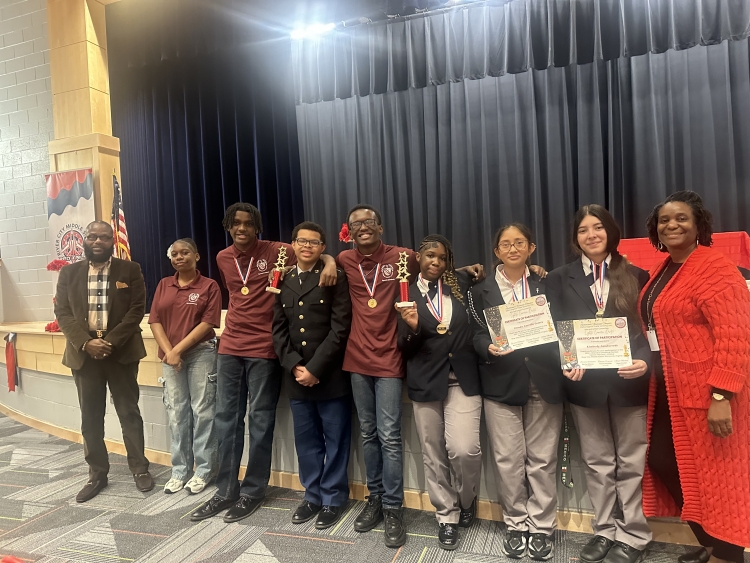
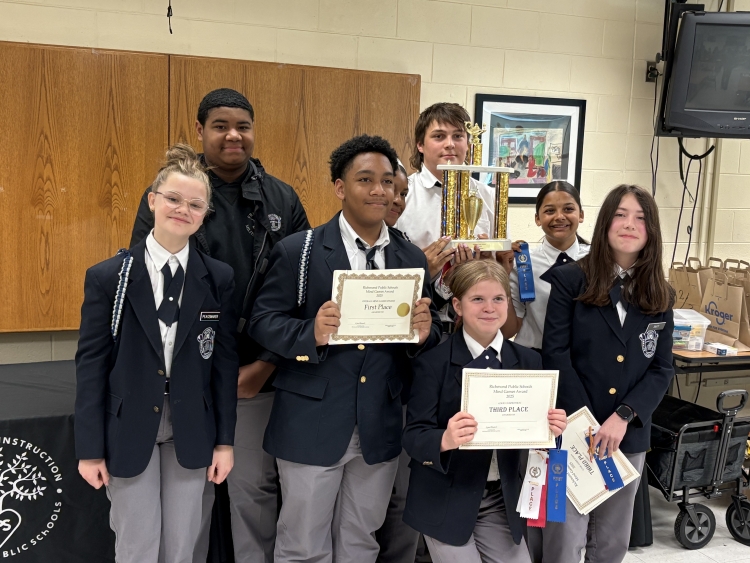
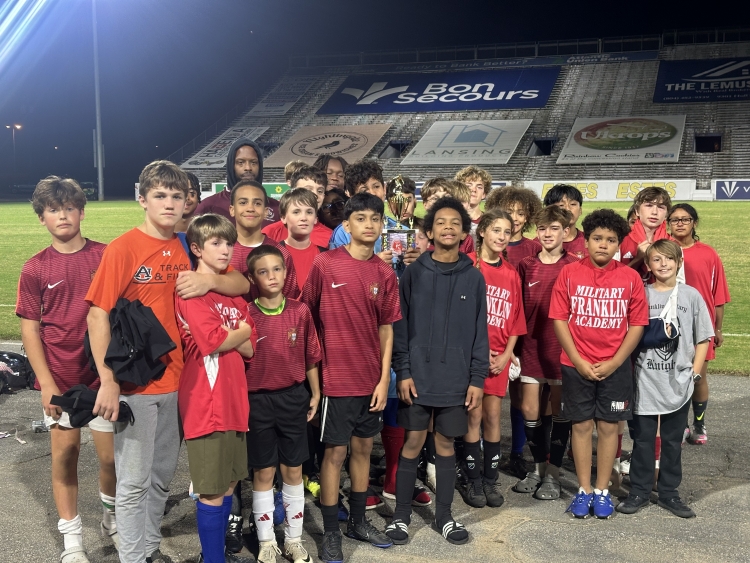

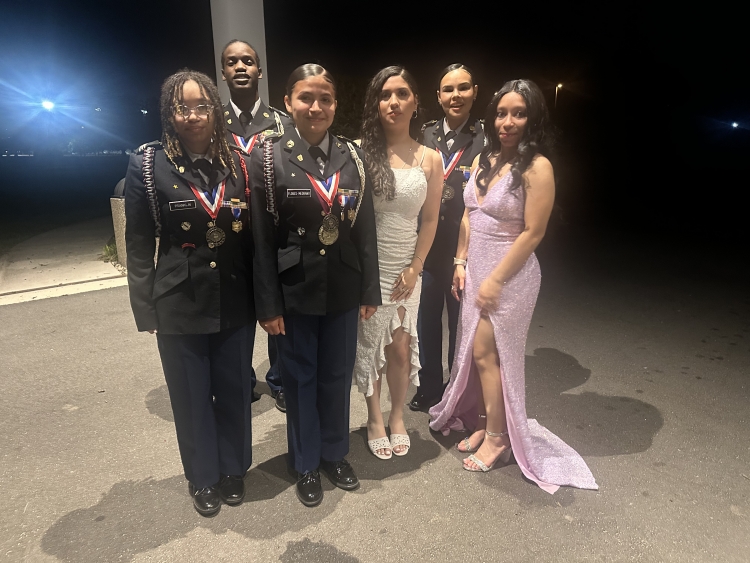

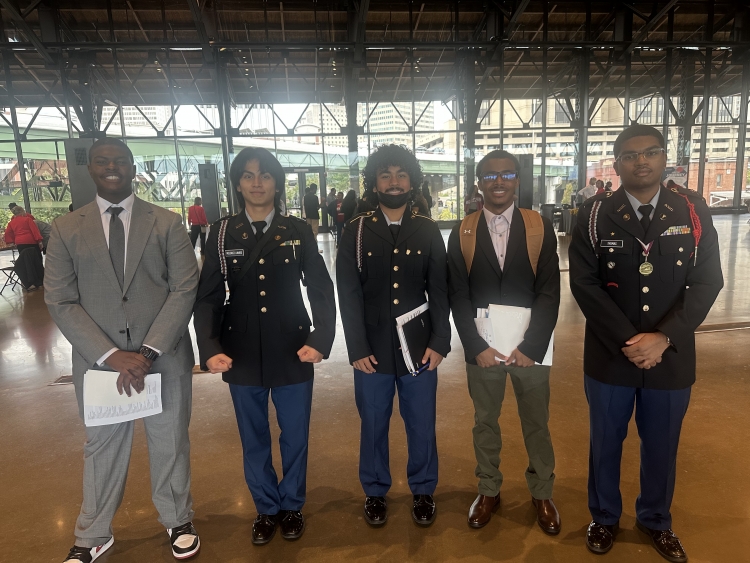
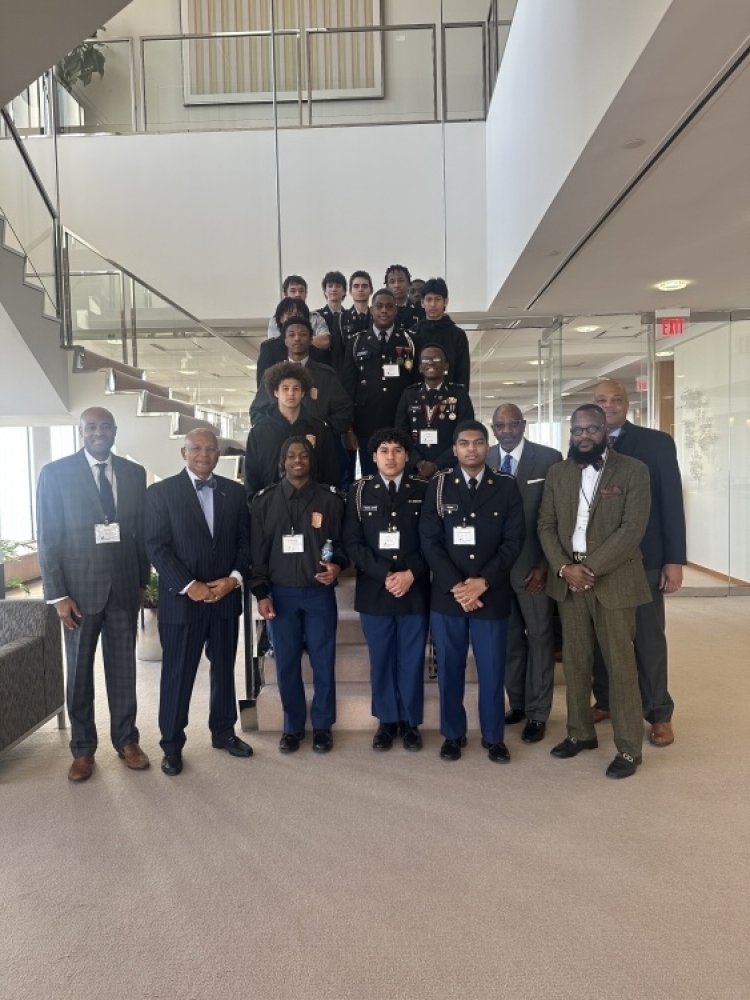
- 1. What key actions or strategies have been most instrumental to your school’s success?
-
*Hands-on Instructional Leadership - The administration conducts over 300 classroom observations each year.
*Principal Director Oversight- Actively monitors academics, attendance, instructional quality, and daily school operations.
*Teacher Effectiveness and Accountability - Teachers are highly qualified and deliver engaging, standards-aligned instruction based on the Virginia Department of Education framework. Teachers notify the principal if pacing falls behind and submit weekly lists of students requiring remediation.
*4x4 Block Schedule - Students take four courses per semester, allowing them to focus on fewer subjects and engage more deeply.
Extended instructional periods support project-based learning, small-group instruction, and complex academic tasks.
*Teachers emphasize mastery of concepts rather than rote memorization.
Students are encouraged to explain, apply, and transfer knowledge across contexts.
* Teacher Retention is high
*All teachers are highly qualified. - 2. What significant challenges did your school face during your improvement efforts, and how did you address them?
-
The COVID-19 pandemic caused significant disruptions to learning, and many students at Franklin Military Academy experienced gaps in foundational skills, particularly in math and reading. To help students catch up, the school relied heavily on Title I support.
In math, students received targeted instruction from the Title I math interventionist using Math 180, a program designed to strengthen essential math skills through structured lessons and practice. Students were supported in small groups or individually, allowing teachers to address specific areas of difficulty and build confidence.
In reading, the Title I reading interventionist uses Language Live, a program designed to strengthen essential reading skills, focusing on comprehension, fluency, and vocabulary. Students received individualized or small-group instruction based on their assessment results, allowing teachers to target specific areas of difficulty.
- 3. How did professional development contribute to your school’s improvement efforts?
- Tiered academic support systems further strengthen the school’s instructional program. Professional development provided by LIEP teachers equips classroom educators with the ability to effectively support English learners, ensuring that these students can access grade-level content while continuing to develop language proficiency. This targeted training enhances teacher capacity, increases instructional effectiveness, and promotes equitable outcomes for all students. This additional support from the LIEP department allowed us to close an achievement gap for ESL students. Similarly, quarterly school evaluations, ongoing data monitoring, and school-wide professional development allow the leadership team to assess instructional effectiveness, track student progress, and implement continuous improvements in teaching and learning practices.
- 4. In what ways did family and/or community partnerships support your school’s success?
-
Family and community partnerships played a significant role in our school’s success. Parents were actively engaged, meeting regularly to discuss their child’s attendance, academic progress, and any behavioral challenges. They collaborated with school staff to implement improvement strategies and supported the development of student contracts with administration and students, ensuring accountability and clear expectations.
Additionally, retired educators and community leaders contributed by providing guidance on etiquette, offering job-shadowing opportunities, and tutoring students for college preparation. Local military representatives assisted with career readiness programs, and parents volunteered whenever possible to support school initiatives. The PTSA also contributed by offering scholarships, helping to recognize and reward student achievement.
- 5. How has ESEA funding (e.g., Title I, II, III) been strategically used to support student achievement?
-
Title I funds have provided extra academic support for students who need it most, including small-group instruction, tutoring, supplemental learning materials/technology, and tutors. Title I funds have supported English and math students school-wide by having a math and reading interventionist.
Collectively, these funds have strengthened instructional quality, addressed achievement gaps, and provided students with the resources and support necessary to meet their academic goals. - 6. What advice would you give to a school just beginning its improvement journey?
-
For a school just beginning its improvement journey, it’s important to maintain high expectations for staff while ensuring they have the support needed to succeed. Follow the state curriculum framework closely, and make time to visit classrooms regularly to observe instruction, assist teachers, and support students. Provide a comprehensive schedule that includes time during the day and after school for remediation and additional academic support.
Listen to the needs of both teachers and students, and provide the resources necessary for their success. Meet students where they are, help them experience small successes, and build their confidence. Hire and retain teachers who love children and understand the curriculum, as consistent, passionate staff are essential for long-term improvement.
Stats
-
Category 1
Selected in 2025
-
Grades: 6 - 12
School Setting: urban
Town Population: 233
Student Enrollment: 317
Student Demographics:
Black/African American: 56%
Teacher/Student Ratio: 1:15
White/Caucasian: 16%
Hispanic: 23%
Hawaiian/Pacific Islander: 0%
Asian: 1%
Native American: 0%
Other: 4%
% Reduced Lunch: 100%
% ELL Learners: 46%
Founded: 1980 -
PRINCIPAL:
David Hudson -
CONTACT:
701 N 37th Street
Richmond, VA 23223
804-338-1042
dhudson3@rvaschools.net
ESEA Network
The National Association of ESEA State Program Administrators is dedicated to building the capacity of education professionals to provide disadvantaged children with a high quality education. Their ESEA Network website provides a host of resources to educators at all levels.
Connect With Us
 |
 |
 |
 |
Contact Us
admin@eseanetwork.org | 800-256-6452
532 North Franklin Street | Fort Bragg, CA 95437
About Us
The National Association of ESEA State Program Administrators (formerly the National Title I Association) is dedicated to building the capacity of education professionals to provide disadvantaged children with a high quality education. Their ESEA Network website provides a host of resources to educators at all levels.
Connect with Us
|
|
|
|