
-
Category 3
Selected in 2025
-
Grades: k - 6
School Setting: urban
Town Population: 0
Student Enrollment: 318
Student Demographics:
Black/African American: 28.3%
Teacher/Student Ratio: 1:17
White/Caucasian: 31.7%
Hispanic: 26.1%
Hawaiian/Pacific Islander: 0%
Asian: 9.4%
Native American: 0.3%
Other: 4.1%
% Reduced Lunch: 65%
% ELL Learners: 54.4%
Founded: 1959 -
PRINCIPAL:
Dana Dietz -
CONTACT:
5700 Meadowood Dr.
Speedway, IN 46224
317-291-4274
ddietz@speedwayschools.net
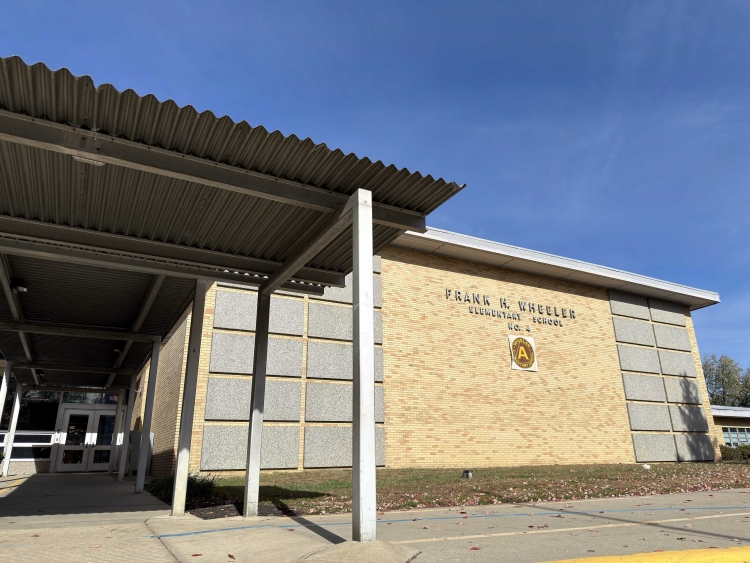
Frank H. Wheeler Elementary School 4
Speedway, IN

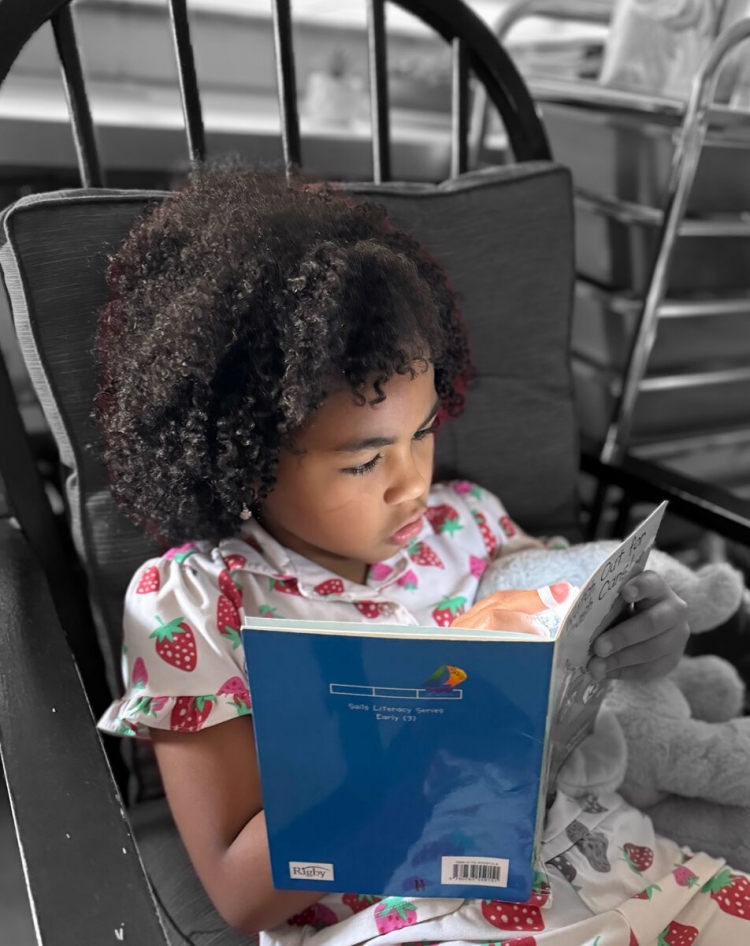
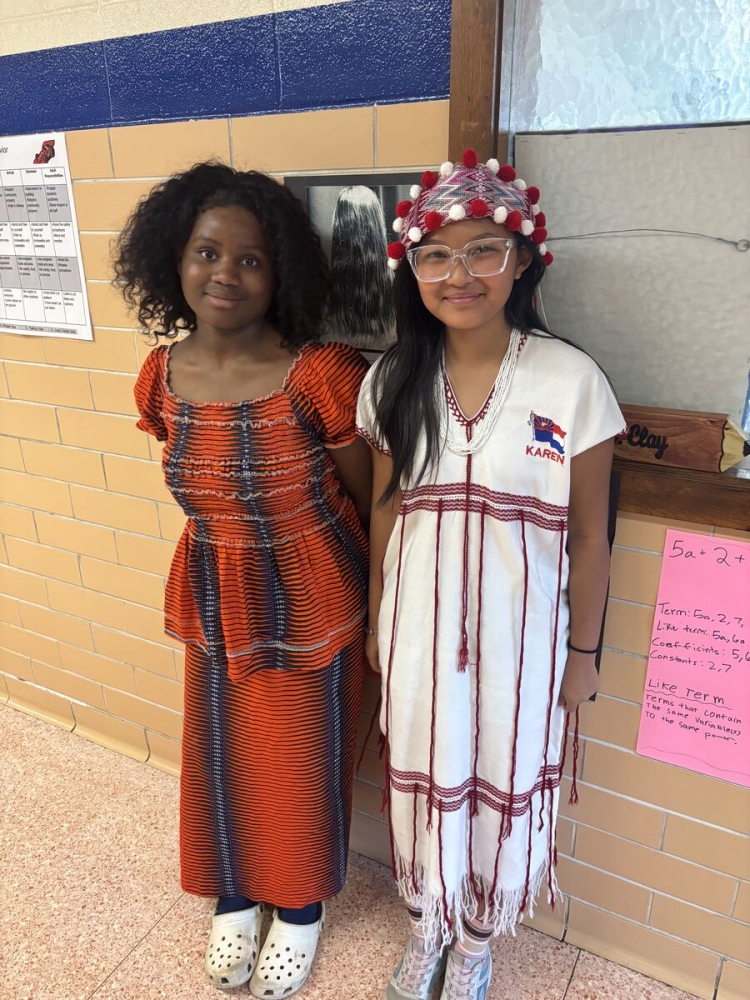
- 1. What key actions or strategies have been most instrumental to your school’s success?
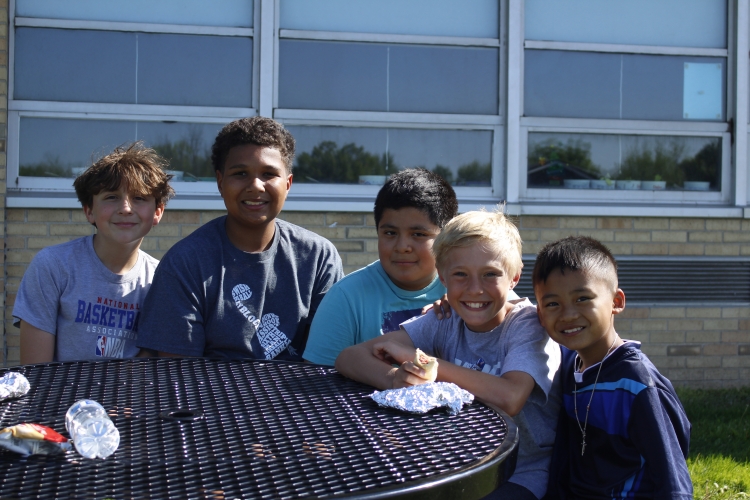
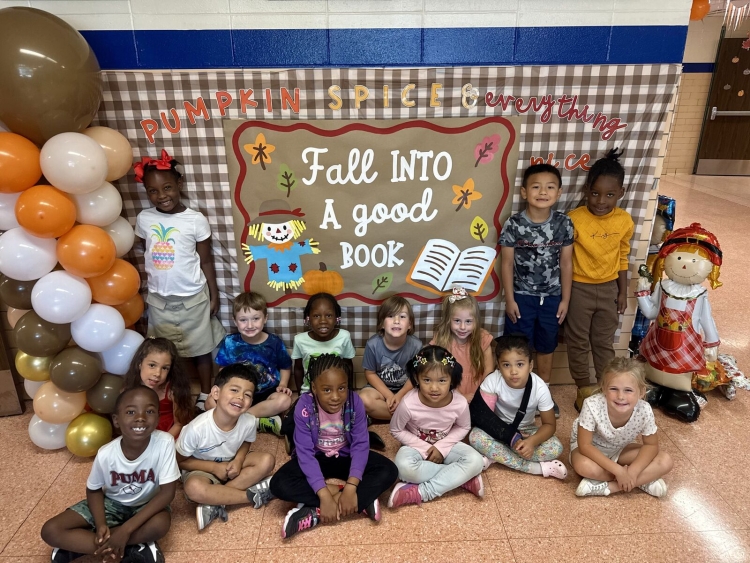
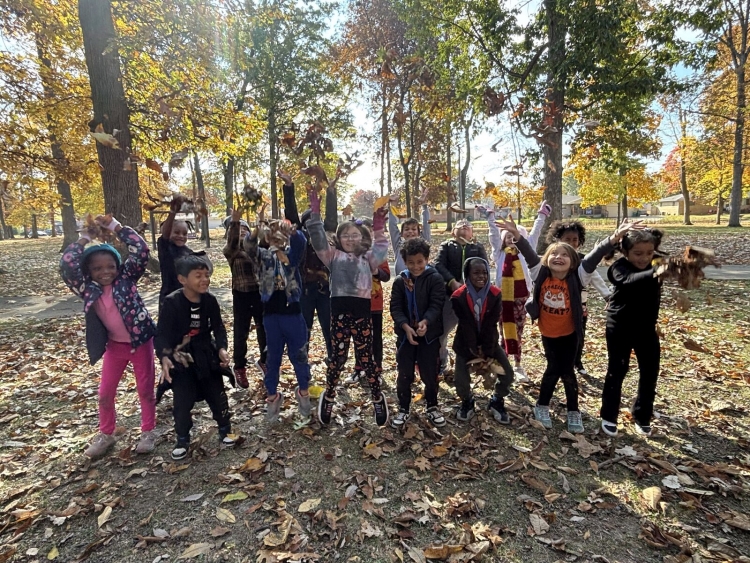
- Frank H. Wheeler Elementary’s success is anchored in strong instructional systems, intentional supports, and a positive school culture. Daily, data-driven intervention blocks in reading and math ensure every student—struggling or advanced—receives targeted instruction. Research-based curriculum and consistent implementation K-6 provides a unified and effective instructional approach across all classrooms. Our school culture is fostered by student opportunities such as leadership jobs, running club, chess club, academic bowl teams, and free after school tutoring. Frank H. Wheeler is fortunate to have a great community network of parents, volunteers, and businesses that contribute to student growth and engagement. Small class sizes and great teachers are truly our secret to success. They allow for deeper relationships and more personalized learning.
- 2. What significant challenges did your school face during your improvement efforts, and how did you address them?
- Key challenges included supporting a continually growing diverse and multilingual student population, ensuring consistent high-quality instruction, and addressing students’ social–emotional needs. Wheeler has quite a bit of mobility in its population throughout the year that requires us to analyze learning gaps and meet students where they are instructionally as quickly as possible. Wheeler addressed language barriers by providing multilingual communication, translation services, newcomer supports, and before and after school clubs that practice conversational English. Academic gaps were mitigated through structured intervention blocks, ongoing progress monitoring, and coaching cycles to strengthen instructional practices. Collaboration, consistent routines, and unified instructional practices helped build coherence and accelerate improvement.
- 3. How did professional development contribute to your school’s improvement efforts?
-
Professional development is central to Wheeler’s continuous improvement model. The instructional coach provides monthly all-staff PD, biweekly grade-level collaboration, daily paraprofessional training, and ongoing coaching cycles. Staff development is deeply aligned to school needs and our practices are grounded in research-based methodology in the Science of Reading and mathematical practices.
Teachers collaborate regularly to analyze data, refine instruction, and plan lessons. Many staff members, including the Principal, hold or are earning literacy endorsements, strengthening building-wide expertise in reading instruction. Teachers also present to one another, observe colleagues, and engage in structured MTSS meetings, fostering a culture of shared leadership and collective growth.
- 4. In what ways did family and/or community partnerships support your school’s success?
-
Wheeler thrives because of strong, authentic family and community partnerships. Families attend Back to School Night, Title I & Literacy Night, and participate in 100% of parent-teacher conferences. Communication is accessible in families’ preferred languages through multilingual staff and translation services.
The Speedway Parent Teacher Organization plays a major role by fundraising, volunteering, assisting teachers, and helping provide enrichment events. The Home/School Advisor connects families to mental-health and medical supports, food and clothing resources, holiday assistance, and community agencies. Local organizations contribute through vaccine clinics, sports programs, and literacy partnerships. We host annual community events and these traditions build strong relationships and reinforce shared responsibility for student success. - 5. How has ESEA funding (e.g., Title I, II, III) been strategically used to support student achievement?
- Wheeler uses Title funds intentionally to support academic, social-emotional, and multilingual needs. Title I funds support a full-time instructional coach who leads our academics professional development,. Title II funds provide two additional teachers to reduce class sizes, increasing opportunities for individualized instruction, small-group learning, and stronger teacher-student relationships. Title III funds support multilingual learners through staff training, newcomer resources, bilingual books, translation supports, and instructional software. These funds help eliminate language barriers and promote successful English acquisition. Title IV funds provide a social-emotional mentor who supports behavior, emotional regulation, and student well-being—key components of academic readiness. Together, these allocations ensure equitable access to high-quality instruction, targeted interventions, and a supportive learning environment for all.
- 6. What advice would you give to a school just beginning its improvement journey?
- The most important step is to build strong, consistent systems before trying to implement too many initiatives at once. Start by establishing clear routines and expectations for behavior, instruction, and collaboration to create stability and allow students and staff to thrive. Next, invest deeply in your professional development. Your staff is your most valuable resource. Provide regular, focused training aligned to research-based practices with an emphasis on literacy and mathematics. Establish a strong, data-driven MTSS system and small group time for students above and below benchmarks. Having an instructional coach or trained teacher-leaders to guide this work can accelerate growth and ensure PD is meaningful and consistent. Finally, use your resources strategically. Prioritize investments that reduce class sizes, strengthen instruction, meet students' social-emotional needs, and partner with your community as much as possible.
Stats
-
Category 3
Selected in 2025
-
Grades: k - 6
School Setting: urban
Town Population: 0
Student Enrollment: 318
Student Demographics:
Black/African American: 28.3%
Teacher/Student Ratio: 1:17
White/Caucasian: 31.7%
Hispanic: 26.1%
Hawaiian/Pacific Islander: 0%
Asian: 9.4%
Native American: 0.3%
Other: 4.1%
% Reduced Lunch: 65%
% ELL Learners: 54.4%
Founded: 1959 -
PRINCIPAL:
Dana Dietz -
CONTACT:
5700 Meadowood Dr.
Speedway, IN 46224
317-291-4274
ddietz@speedwayschools.net
ESEA Network
The National Association of ESEA State Program Administrators is dedicated to building the capacity of education professionals to provide disadvantaged children with a high quality education. Their ESEA Network website provides a host of resources to educators at all levels.
Connect With Us
 |
 |
 |
 |
Contact Us
admin@eseanetwork.org | 800-256-6452
532 North Franklin Street | Fort Bragg, CA 95437
About Us
The National Association of ESEA State Program Administrators (formerly the National Title I Association) is dedicated to building the capacity of education professionals to provide disadvantaged children with a high quality education. Their ESEA Network website provides a host of resources to educators at all levels.
Connect with Us
|
|
|
|