
-
Category 2
Selected in 2025
-
Grades: pre k - 5
School Setting: urban
Town Population: 3,969
Student Enrollment: 328
Student Demographics:
Black/African American: 2%
Teacher/Student Ratio: 1:16
White/Caucasian: 84%
Hispanic: 6%
Hawaiian/Pacific Islander: 0%
Asian: 3%
Native American: 0%
Other: 0%
% Reduced Lunch: 27.3%
% ELL Learners: 0.2%
Founded: 1938 -
PRINCIPAL:
Joel Melvin -
CONTACT:
4880 East 71st St
Cuyahoga Heights, OH 44125
216-429-5880
jmelvin@cuyhts.org
Cuyahoga Heights Elementary School
Cuyahoga Heights, OH

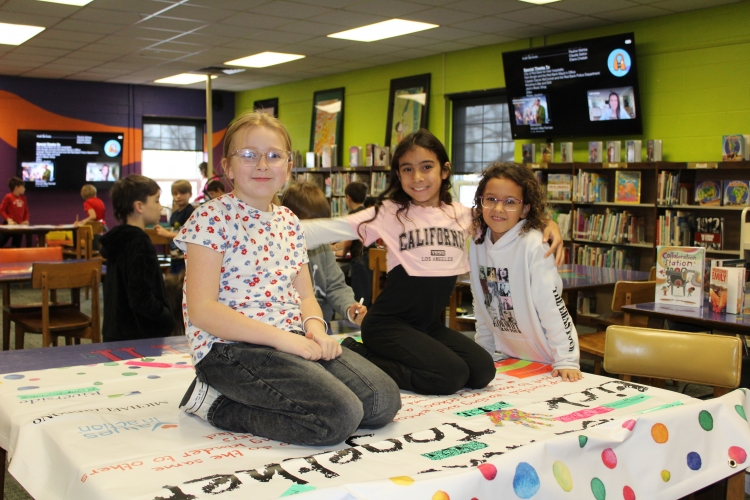
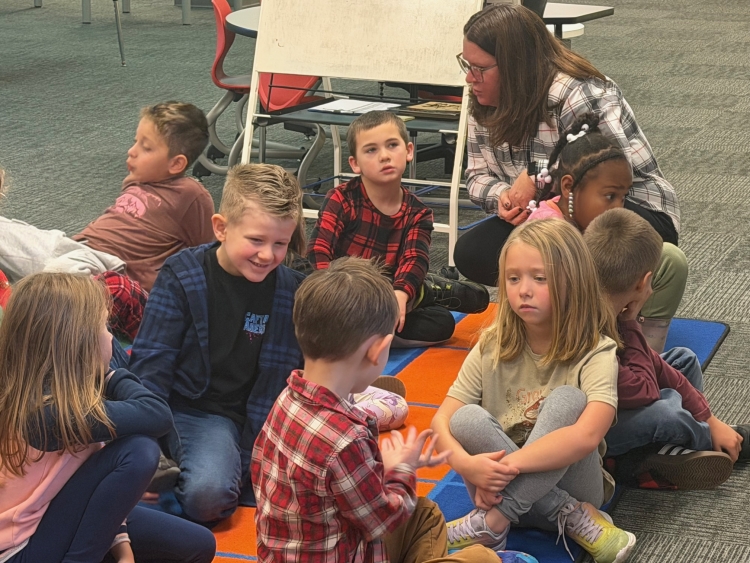
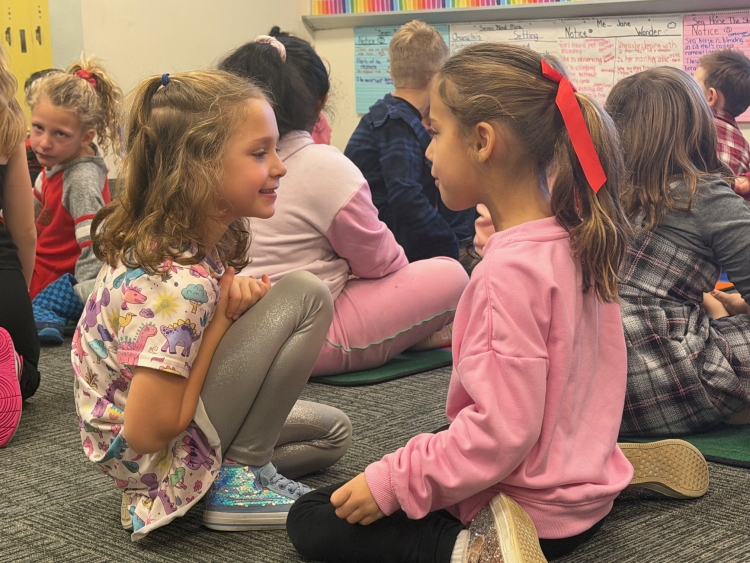
- 1. What key actions or strategies have been most instrumental to your school’s success?
-
Cuyahoga Heights Elementary School’s success is rooted in our districtwide commitment to high-quality instruction, aligned curriculum, and strong systems for data-based decisions. We adopted evidence-based literacy materials and built internal capacity through meaningful professional development and coaching. Each decision was thoughtful and intentional.
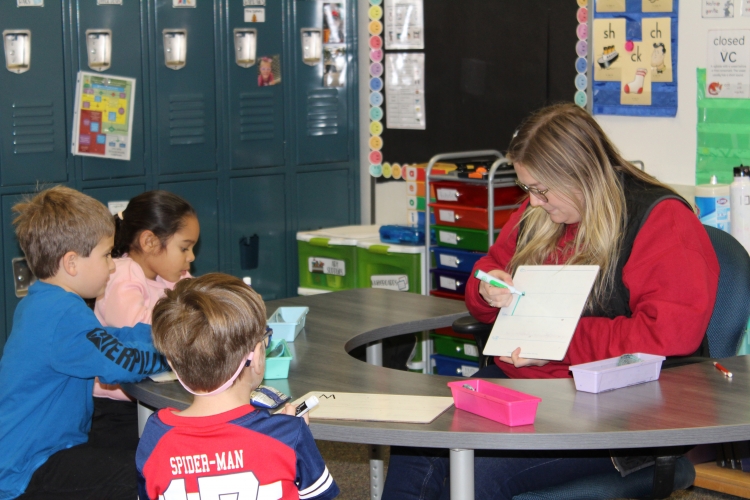
Our “walk-to-intervention” model and MTSS Framework are the foundation of our practice. Redesigning our master schedule ensured that every classroom teacher, specialist, interventionist, and Title I staff member provided targeted small-group instruction daily. We use universal diagnostics to pinpoint needs, guide Tier 1 instruction, and deliver targeted/intensive interventions with ongoing progress monitoring. Data is reviewed collaboratively and paired with teacher insight to ensure decisions reflect the whole child. This structure made personalized support for every student the norm, not the exception. - 2. What significant challenges did your school face during your improvement efforts, and how did you address them?
-
Five years ago, our instructional practices in literacy were fragmented and lacked alignment. We addressed this challenge by making deliberate, schoolwide commitments to growth. We were thorough, using the Reading Tiered Fidelity Inventory to pinpoint our needs. We spent a year piloting literacy programs before the statewide HQIM mandates were even announced. We researched, implemented, and reflected upon each decision to ensure each was the best fit for OUR students. Every step forward was intentional and strategic. We maximized our limited resources, adapted schedules creatively, and built internal capacity among a lean but motivated staff.
We also confronted the challenge of sustainability. Without a dedicated curriculum director or literacy coaches, Title funds supported external coaching to build internal capacity. Over time, we refined our practices through data, collaboration, and shared responsibility. Our systems became deeply rooted because everyone owned the work. - 3. How did professional development contribute to your school’s improvement efforts?
-
We believe that professional learning can not be a singular event, it’s part of our culture. We used Title funds to partner with local ESCs for coaching during curriculum adoption and beyond. Teachers received job-embedded support rather than one-time workshops.
Over time, teachers developed a shared language of practice and a deeper understanding of how explicit, systematic instruction accelerates reading for all students, including those who previously struggled.
As our systems matured, we began to intentionally leverage the expertise within our own staff. Internal professional development, work sessions, and collaborative problem-solving allowed us to respond directly to emerging needs. Because we know our students best, we are able to use data, experience, and shared reflection to continuously refine instruction. This balance of external coaching and internal leadership has allowed professional learning to remain responsive, relevant, and deeply connected to student outcomes. - 4. In what ways did family and/or community partnerships support your school’s success?
-
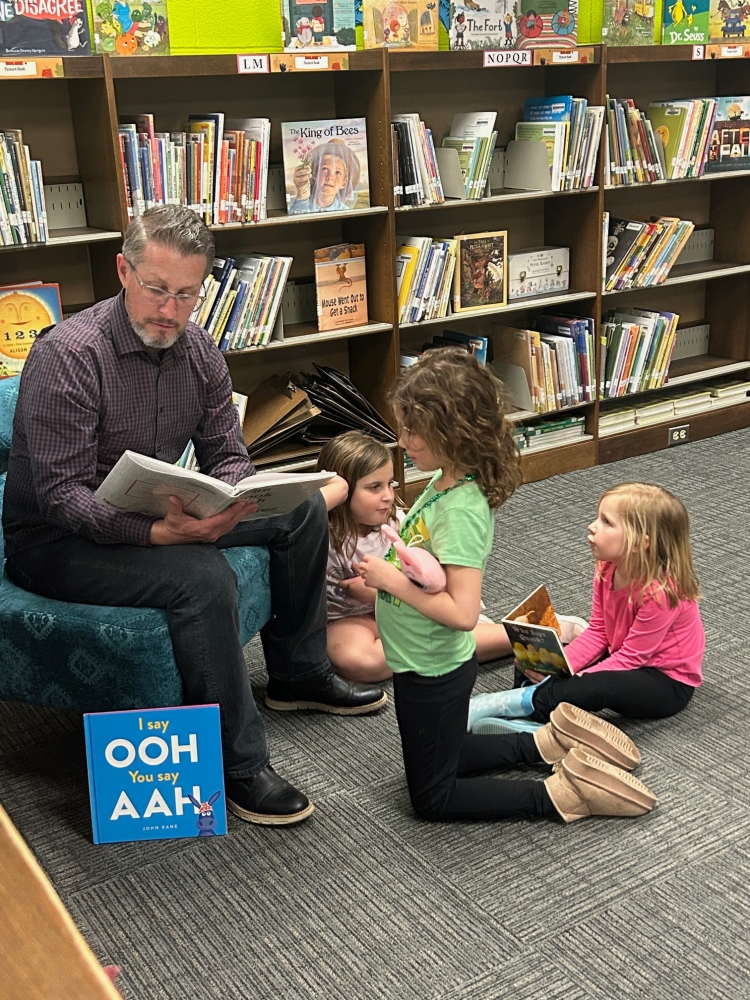
Our families and community partners are woven into the fabric of our school. Programs like VIP Day, Tuck-In Tuesday read-alouds, “Howl at the Room” PBIS celebrations, STEM Day, and Goodies with Grands deepen connections between home and school. These shared experiences build trust and create a learning environment where children feel valued and supported.
We also engage families as partners in academic growth. Grade level information nights, Literacy nights, data conversations, and regular communication about student progress help families understand the “why” behind our practices and how to support learning at home.
Additionally, partnerships with local ESCs, arts programs, and community organizations enrich our school experience and expand what’s possible for students. These relationships strengthen both academic and whole-child development. - 5. How has ESEA funding (e.g., Title I, II, III) been strategically used to support student achievement?
- ESEA funds have been foundational to our improvement strategy. These funds have directly funded our reading interventionist, who anchors diagnostics and small-group instruction. This work allowed us to implement our daily walk-to-intervention model at scale. Title funds also supported the adoption and implementation of HQIM literacy materials and ongoing professional development and coaching. We invested in the internal capacity of our staff knowing that they are the drivers of change and growth for our students. These investments strengthened Tier 1 instruction, ensured timely intervention, and built a sustainable system where every child receives the instruction they need to thrive. Our achievement gains, particularly for economically disadvantaged students and students with disabilities, reflect the impact of using ESEA funds with intention and coherence.
- 6. What advice would you give to a school just beginning its improvement journey?
- Our journey stands out for the strategic intentionality that embeds human connection throughout our systems. We started with honest reflection and a collaborative mindset. We defined our vision, chose a few high-leverage priorities, and committed to them. We focused on aligning Tier 1 instruction and leveraged our community partnerships for staff education and guidance in implementation science. We redesigned our master schedule to ensure protected time for daily intervention. We committed to knowing our students deeply. Data is never a number alone, it’s a story about a child. When we sit down for data conversations, we’re not just looking at scores on a spreadsheet. Academic performance is considered alongside attendance, social-emotional factors, and any other barriers our students may be facing. This level of detail allows us to make meaningful decisions that actually change outcomes for students. Every staff member understands not just what we’re doing, but why it matters
Stats
-
Category 2
Selected in 2025
-
Grades: pre k - 5
School Setting: urban
Town Population: 3,969
Student Enrollment: 328
Student Demographics:
Black/African American: 2%
Teacher/Student Ratio: 1:16
White/Caucasian: 84%
Hispanic: 6%
Hawaiian/Pacific Islander: 0%
Asian: 3%
Native American: 0%
Other: 0%
% Reduced Lunch: 27.3%
% ELL Learners: 0.2%
Founded: 1938 -
PRINCIPAL:
Joel Melvin -
CONTACT:
4880 East 71st St
Cuyahoga Heights, OH 44125
216-429-5880
jmelvin@cuyhts.org
ESEA Network
The National Association of ESEA State Program Administrators is dedicated to building the capacity of education professionals to provide disadvantaged children with a high quality education. Their ESEA Network website provides a host of resources to educators at all levels.
Connect With Us
 |
 |
 |
 |
Contact Us
admin@eseanetwork.org | 800-256-6452
532 North Franklin Street | Fort Bragg, CA 95437
About Us
The National Association of ESEA State Program Administrators (formerly the National Title I Association) is dedicated to building the capacity of education professionals to provide disadvantaged children with a high quality education. Their ESEA Network website provides a host of resources to educators at all levels.
Connect with Us
|
|
|
|